
Jateorhiza
Jateorhiza
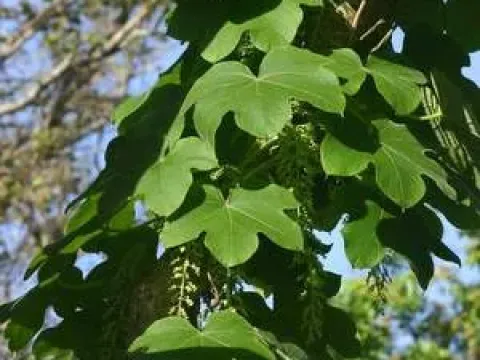
Jateorhiza palmata, commonly known as Colombo root or calumba, belongs to the family Menispermaceae. It is a robust climbing vine native to the dense tropical forests of Mozambique and Eastern Africa.
What the section contains

Jateorhiza
The plant requires a strictly tropical environment to thrive, characterized by high humidity and warm temperatures throughout the year. It does not tolerate frost or cold spells, making it unsuitable for temperate agricultural zones.
Soil requirements focus on fertility and drainage. The plant grows best in deep, humic, and well-aerated soils where water does not pool, preventing the risk of root rot during heavy rainy seasons.
As a climbing species, Jateorhiza requires sturdy support structures in cultivation. In agroforestry systems, it is often intercropped with larger trees that act as natural trellises for the climbing stems.
Propagation is primarily carried out through rhizome division. This method ensures that the genetic profile of high-alkaloid producing plants is maintained across the plantation, leading to more uniform yields.
The harvesting process targets the enlarged tuberous roots which act as storage organs for the plant. Farmers typically wait for at least three to four years before the first commercial harvest to ensure maximum alkaloid content.
Harvesting is performed by digging around the plant base to extract the rhizomes without causing excessive mechanical damage. The soil is shaken off, and the roots are washed to ensure purity of the raw material.
Once harvested, the rhizomes are sliced into transverse discs or longitudinal sections to facilitate drying. These slices are spread in thin layers in shaded, well-ventilated areas to prevent rapid oxidation and preserve active compounds.
The dried roots, historically traded as Colombo root, are essential for their bitter alkaloids, such as columbin and palmatine. These compounds are used globally in pharmaceutical formulations for digestive health.
Post-harvest management includes grading the dried material by size and appearance. Proper storage is crucial; the product must be kept in cool, moisture-free conditions to prevent mold growth and ensure a long shelf life.