
Cissampelos
Cissampelos
Cissampelos is a genus of perennial woody vines belonging to the Menispermaceae family. Known for their twining stems, these plants are widely distributed across tropical and subtropical regions in Africa, Asia, and the Americas.
What the section contains


Cissampelos
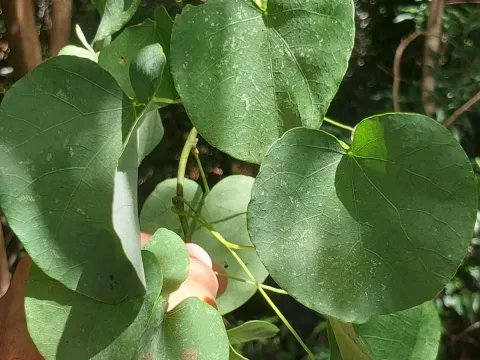
The botanical structure of the plant features distinct leaves and small, often greenish flowers. In their native habitats, these vines typically climb over trees and shrubs, reaching substantial lengths and creating dense canopy cover.
Agricultural success depends on well-draining, nutrient-rich soils. The plant requires a stable, warm climate and high levels of humidity, reflecting its native forest environment where it thrives in shaded or semi-shaded conditions.
Proper irrigation management is critical, as the roots are sensitive to waterlogging. Farmers must ensure the soil remains moist but never saturated to prevent physiological stress or structural damage to the root system.
The economic value of Cissampelos is centered on its pharmaceutical applications. Various species are cultivated or harvested for their phytochemical properties, containing alkaloids used in traditional and modern medicinal formulations.
Fungal diseases affecting the root and collar region are the primary threat to Cissampelos crops. These are usually triggered by poor drainage or excessive humidity in the growing medium.
Pest pressure often comes from common tropical insects such as spider mites and aphids, which feed on the sap and can lead to chlorosis and stunted growth of the vines.
Integrated Pest Management (IPM) is recommended to control these issues, focusing on biological controls and manual removal of infested parts to maintain the purity of the medicinal raw materials.
Regular sanitation of the growing area is essential. Removing weeds and infected debris helps prevent the spread of soil-borne pathogens that thrive in the same humid conditions required by the crop.
Environmental monitoring is vital, as excessive temperature fluctuations can weaken the plant's natural defenses, making it more prone to attacks from common agricultural pests.