
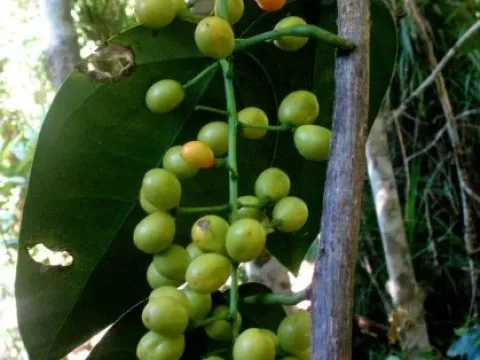
Fibraurea
Fibraurea
Fibraurea is a genus of woody vines belonging to the Menispermaceae family. These plants are native to the tropical regions of Southeast Asia, where they thrive in lush, humid environments by climbing onto tall forest trees.
What the section contains

Fibraurea
The botanical structure of Fibraurea is characterized by robust, woody stems and large, leathery leaves that allow the plant to maximize light absorption in the forest understory. It is a perennial species that accumulates significant secondary metabolites in its bark and wood.
To cultivate Fibraurea successfully, it is essential to provide deep, fertile, and well-drained soils. The plant is highly sensitive to soil waterlogging, which often leads to root diseases, necessitating careful site selection and the installation of effective drainage systems.
Climate requirements include consistently high temperatures and high humidity levels. Fibraurea does not tolerate frost or cold winds, making its cultivation restricted to specific tropical climate zones where environmental conditions remain stable throughout the year.
Commercially, Fibraurea is highly valued for its medicinal properties. It is a primary source of berberine, an alkaloid with significant antimicrobial and anti-inflammatory properties, widely used in traditional medicine and modern pharmaceutical production.
The primary threats to Fibraurea plantations include fungal infections triggered by excessive moisture. Pathogens such as root rot can rapidly destroy a harvest if the drainage conditions are not maintained or if the soil aeration is insufficient.
Insect pests, including various leaf-eating beetles and sap-sucking insects, present a constant threat to foliage. Integrated pest management strategies are often required to control these pests without damaging the sensitive botanical profile of the plant.
Mechanical damage during the support attachment process can expose the internal tissues of the vine to viral and bacterial infections. Careful installation of climbing structures is necessary to ensure the long-term structural integrity of the crop.
Invasive weeds can significantly impede the development of young Fibraurea plants by competing for essential mineral nutrients. Manual weeding or the use of mulch is recommended during the early establishment phase to promote vigorous growth.
Environmental stress, such as prolonged droughts or extreme humidity fluctuations, can cause physiological disorders in the plants, making them more susceptible to opportunistic diseases. Maintaining a consistent microclimate is crucial for industrial-scale cultivation.