
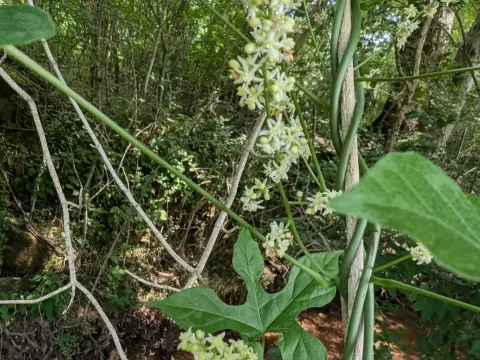
Calycocarpum
Calycocarpum
Calycocarpum, specifically the species Calycocarpum lyonii, typically propagates via seeds in its natural woodland habitat. In an agricultural setting, seeds require a period of stratification to break dormancy before successful germination.
What the section contains

Calycocarpum
Sowing is best performed in well-draining, nutrient-rich potting mix during early spring. Seeds should be sown at a shallow depth to ensure adequate oxygen reaches the developing embryo while maintaining constant moisture.
Seedlings show slow initial growth as they focus on establishing a robust root system. Providing a stable environment with moderate humidity is crucial for early development.
Vegetative propagation is also possible through semi-hardwood cuttings taken during the growing season. Applying rooting hormones can significantly enhance the success rate of propagation.
Once established, the seedlings are transplanted to their permanent location where they require appropriate structural support to facilitate their natural climbing habit.
Calycocarpum thrives in moist, rich soils with neutral to slightly acidic pH levels. It performs best in areas that mimic the forest floor or riparian environments where it originates.
The plant requires sturdy vertical structures for support, as it is a woody vine that uses its stems to climb. Proper spacing is essential to ensure adequate airflow and prevent overcrowding.
Climatic requirements focus on warmth and steady moisture. While it shows some tolerance to various light conditions, partial shade is ideal to protect the foliage from scorching during peak summer.
Water management is vital; the plant requires consistent moisture but cannot tolerate waterlogged conditions. Mulching around the base helps maintain soil temperature and moisture levels.
Applying a balanced organic fertilizer in early spring supports healthy stem growth and promotes the development of the characteristic foliage and fruit.
Fungal diseases are the primary threat, especially in humid and poorly ventilated environments. Maintaining proper plant spacing is an effective preventative measure.
Insects like aphids and spider mites can infest the foliage, particularly under hot and dry conditions. Regular monitoring allows for early detection and intervention.
Root rot is a common issue caused by over-irrigation or heavy, poorly drained soil. Ensuring good soil drainage is fundamental for plant health.
Powdery mildew can affect the leaves during late summer when temperatures fluctuate. Targeted fungicide application can manage outbreaks without damaging the plant.
Rodents or rabbits may cause damage to the lower stems during the winter months, necessitating protective barriers or tree guards to prevent bark stripping.