
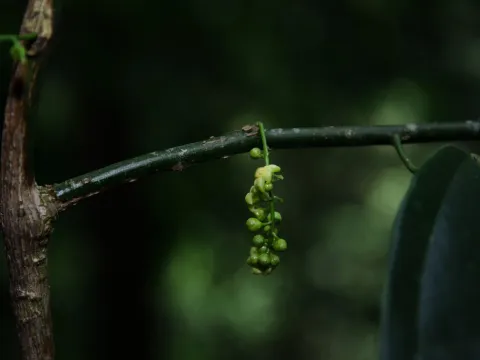
Haematocarpus
Haematocarpus
Haematocarpus is a genus of woody climbers belonging to the Menispermaceae family. These plants are native to the tropical forests of Africa and Asia, where they thrive under the canopy of high-density vegetation.
What the section contains

Haematocarpus
Cultivation of Haematocarpus requires a strictly tropical climate with consistent temperatures and high relative humidity. The species is highly sensitive to cold, making its agricultural production viable only in specific geographical zones or controlled greenhouse environments.
The ideal soil for this crop is a well-drained, nutrient-rich substrate with high organic matter content. Regular irrigation is mandatory, as the plant cannot tolerate long periods of water stress, which inhibits its climbing and fruiting capabilities.
Agrotechnical management involves providing sturdy trellises or supports, as the plant is a vigorous liana. Pruning is necessary to manage the density of the vine, facilitate airflow, and ensure that light reaches the inner foliage for healthy development.
Nutritional management should prioritize organic amendments to maintain soil health. During the intensive growth phase, balanced fertilization ensures the development of robust stems and prepares the plant for the productive flowering stage.
The fruit of the Haematocarpus is a distinctive red berry, which is harvested manually once the fruit reaches peak ripeness. Timing is critical, as over-ripeness can result in significant quality loss and fruit drop, reducing the total yield.
Post-harvest handling is essential due to the perishable nature of the produce. Most commercial interest currently focuses on the medicinal properties of the plant, utilizing its extracts in the development of natural health products and botanical supplements.