
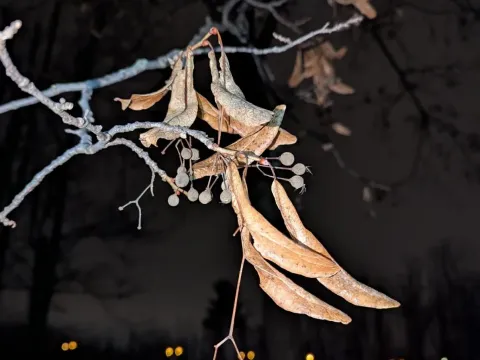
Neglected linden
Tilia neglecta
The Neglected linden (Tilia neglecta) is a deciduous tree species belonging to the Malvaceae family. Native to North America, this tree is highly regarded in silviculture and landscaping for its robust growth habit and significant size, often used for windbreaks and shade.
What the section contains
Neglected linden
The species thrives in deep, fertile, and well-drained soils. It exhibits a strong preference for moisture-retentive substrates rich in organic matter. While it adapts to various soil textures, it performs best in loamy conditions with a neutral to slightly acidic pH level.
Regarding light requirements, the Neglected linden prefers partial shade during its juvenile stage, which helps protect the sensitive bark. As the tree matures, it requires full sunlight to ensure optimal crown density, healthy foliage development, and prolific blooming.
The tree's climate adaptability is moderate; it is well-suited for temperate regions with distinct seasonal transitions. Young trees require adequate moisture during the first few growing seasons to establish a deep root system, which later provides drought resistance.
Agrotechnical practices include regular mulching of the root zone to prevent soil temperature fluctuations and moisture loss. Pruning should be performed during the dormant season to remove dead or crossing branches, ensuring the tree maintains an aesthetically pleasing structure.
The Neglected linden is susceptible to various pests, with aphids being the most common. Aphid infestations often lead to the production of honeydew, which attracts secondary fungal pathogens like sooty mold, affecting the tree's overall appearance and photosynthetic capacity.
Leaf-feeding caterpillars and linden moths can cause extensive damage during mid-summer. Monitoring for early signs of skeletonized leaves allows for timely intervention using biological control agents or targeted systemic insecticides if the damage thresholds are exceeded.
Fungal diseases, including leaf spot and anthracnose, are significant threats particularly in humid environments with poor air circulation. Proper spacing during planting is the primary preventative measure to ensure that the canopy dries out quickly after rainfall.
Root rot, specifically caused by Phytophthora or Armillaria species, occurs when trees are planted in sites with poor drainage or stagnant water. Ensuring adequate soil aeration and avoiding deep planting are essential steps to prevent these lethal subterranean issues.
Scale insects can also infest the branches, leading to weakened growth and twig dieback. Periodic inspection of the trunk and primary branches during the late winter months is recommended to identify early signs of infestation and apply dormant oil treatments.