
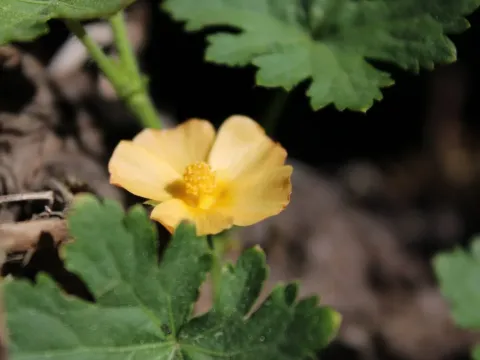
Modiolastrum
Modiolastrum
Modiolastrum is a genus of herbaceous perennial plants belonging to the Malvaceae family. Originally native to the diverse landscapes of South America, particularly Argentina and Uruguay, these plants are known for their trailing growth habit and vibrant, saucer-shaped flowers that resemble small mallows.
What the section contains


Modiolastrum
The cultivation of Modiolastrum requires well-drained soil to thrive. It performs best in sandy or loamy textures that do not retain excess water, as the root systems are susceptible to fungal rot in consistently wet or waterlogged conditions. Maintaining proper soil structure is essential for long-term survival.
Sunlight exposure is a primary requirement for the healthy development of Modiolastrum. These plants need full sun to produce a dense, compact growth pattern and to maximize flowering duration. In shaded conditions, the plant tends to become leggy and loses its aesthetic appeal, often resulting in a decline in flower production.
As a plant of subtropical origin, Modiolastrum has specific climatic preferences. It favors warm temperatures throughout its growing season and is not well-adapted to frost or harsh winters. In temperate climates, growers often treat it as an annual or provide protective measures in greenhouses to ensure it survives the winter months.
Currently, the primary utility of Modiolastrum lies in ornamental horticulture. Its ability to create low-growing mats of foliage, coupled with a prolonged blooming season, makes it an attractive candidate for rock gardens and ground cover applications. Agronomists and landscapers value it for its hardiness in warm, dry summer climates.