
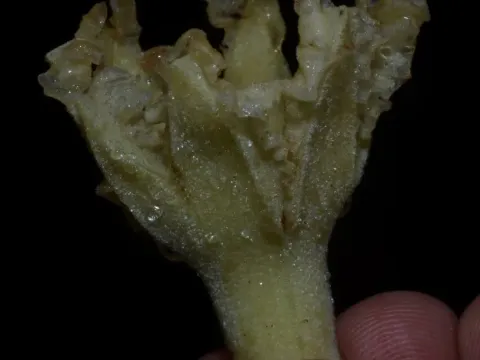
Octolobus
Octolobus
Octolobus is a genus of evergreen trees and shrubs belonging to the Malvaceae family. Native to tropical regions of Africa, these plants are well-adapted to the dense conditions of equatorial forests.
What the section contains

Octolobus
The cultivation of Octolobus requires a consistent tropical climate with high humidity levels and absence of frost. The species thrives in areas where rainfall is evenly distributed throughout the year, supporting constant growth.
Soil requirements for this plant focus on rich, organic-rich substrates that provide excellent drainage. Since the plant is sensitive to waterlogging, it is essential to prepare planting sites with appropriate soil texture.
Young plants prefer partial shade, mimicking their natural habitat beneath the forest canopy. However, mature trees require more access to filtered sunlight to maintain their structural integrity and stimulate regular flowering.
The biological development of the plant is heavily dependent on stable environmental conditions. Proper spacing during planting is recommended to ensure adequate air circulation, which prevents the development of localized humidity issues.
Fungal infections are the most common threat to Octolobus, especially in environments with poor air circulation. Root rot often occurs if the soil drainage is compromised by improper irrigation practices.
Tropical insect pests, including various types of scale insects and spider mites, can severely damage the foliage. Regular monitoring of the canopy is vital to prevent significant infestations that can stunt tree growth.
Environmental stress caused by fluctuations in precipitation levels can weaken the plant's natural defense systems. This vulnerability often leads to increased susceptibility to secondary infections by various opportunistic pathogens.
Soil-borne pathogens and nematodes may pose risks to the root system, leading to overall plant decline. Implementing strict hygiene practices and using disease-free planting material is a standard necessity for maintenance.
Integrated pest management strategies are highly recommended to control populations of harmful organisms while protecting local biodiversity. Regular pruning to remove dead or diseased branches helps in maintaining the health of the tree.