
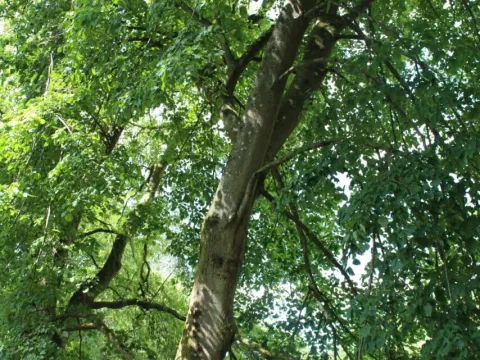
Moltke lime
Tilia moltkei
Tilia moltkei, commonly known as the Moltke lime, is a vigorous hybrid tree belonging to the Malvaceae family. It is recognized for its impressive canopy size, heart-shaped leaves, and significant ornamental value in parks and urban landscapes.
What the section contains
Moltke lime
The tree thrives in deep, fertile, and well-drained loamy soils. It is highly adaptable to various environmental conditions, exhibiting good tolerance to urban pollution and temporary drought once established in the landscape.
Regular watering is essential during the first few years after planting to ensure the roots penetrate deeply into the soil. Providing an adequate mulch layer helps regulate soil temperature and conserve moisture during the hot summer months.
Moltke lime prefers full sun to light shade and performs best in locations where it has enough space to develop its naturally wide, pyramidal crown. Pruning should be conducted in late winter or early spring to shape the tree and remove deadwood.
As a robust and reliable species, it is widely utilized for reforestation in urban areas, alley planting, and as a focal point in large gardens. Its ability to provide dense shade makes it an excellent choice for climate mitigation in cities.
Common pests include aphids and lime leaf mites, which can cause leaf curling and discoloration. Monitoring the foliage during the growing season and using horticultural oils or insecticidal soap can effectively manage these populations.
Fungal diseases, such as leaf spot or powdery mildew, can occur in environments with high humidity and poor air circulation. Ensuring proper spacing between trees during initial planting prevents many of these issues from developing.
Young trees are susceptible to bark damage from rodents and rabbits during the winter months. Protective trunk wraps or guards are highly recommended to prevent mechanical injury that could lead to disease entry.
Stressed trees due to poor soil conditions or water deficit are more prone to wood-boring insects. Maintaining optimal soil health and proper hydration remains the most effective biological defense against these secondary pests.
In cases of nutrient deficiency, localized chlorosis may appear, requiring a soil test to adjust pH levels or provide essential micronutrients. Maintaining a healthy growing environment is the primary strategy for ensuring the long-term vitality of the Moltke lime.