
Noble linden
Tilia nobilis
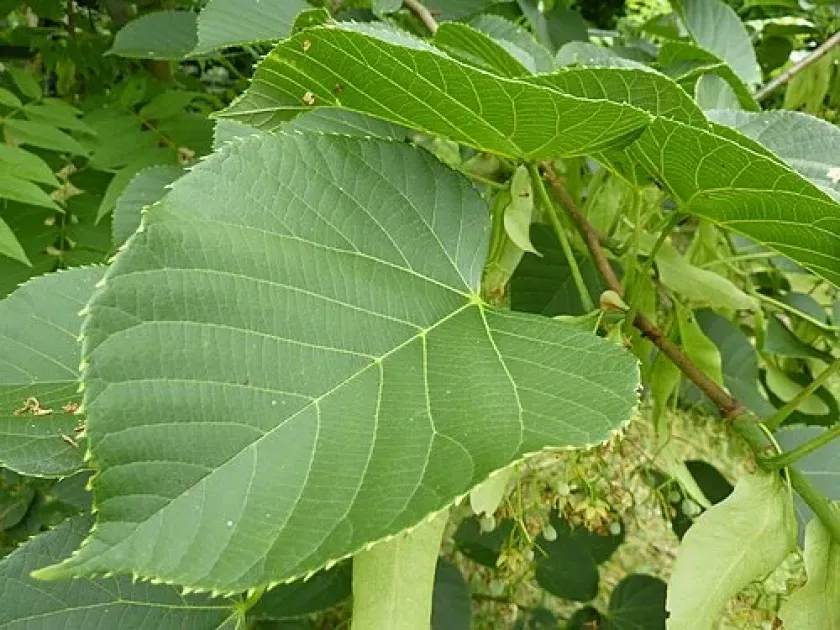
Description
Sowing dates
Propagation of Tilia nobilis requires careful attention to seed dormancy. Seeds typically possess a hard coat and a dormant embryo, necessitating a cold stratification period of 3 to 6 months.
For best results, seeds should be sown in the autumn, allowing natural winter temperatures to break their dormancy. The seeds are placed at a depth of 2 to 3 centimeters in a well-drained, fertile substrate.
In spring sowing, it is critical to initiate the process as soon as the soil reaches a temperature of 5 to 8 degrees Celsius. Keeping the soil consistently moist is essential during the germination phase.
Professional growers often use stratification techniques and seed priming to ensure a higher germination rate. Consistency in moisture levels and soil temperature is key to success during the initial weeks.
Seedlings need light shade during their first summer to prevent scorching. As they develop, they can be gradually exposed to full sun conditions, which is essential for their long-term structural integrity.
Growing requirements
Noble linden thrives in deep, fertile, and moist soils that exhibit good drainage. The species is sensitive to waterlogging, which can quickly compromise root health and promote decay.
The tree prefers a sunny location but maintains healthy growth in partial shade. In industrial plantations, ensuring sufficient space between trees is vital to prevent overcrowding and resource competition.
Tilia nobilis is hardy once established, yet young trees benefit from shelter against harsh winter winds. Providing protection during the first few seasons significantly improves the survival rate.
The ideal soil pH is between 6.0 and 7.5. On highly alkaline or overly heavy clay soils, amendments like organic compost or sand should be integrated to optimize the physical soil structure.
Balanced fertilization with nitrogen in early spring promotes vigorous shoot growth, while late-season potassium and phosphorus applications help the tree harden off before the onset of winter.
Main diseases and pests
Aphids are the primary concern for Tilia nobilis, often causing leaves to become sticky with honeydew. This substance can encourage the growth of sooty mold, which impairs photosynthesis.
Wood-boring beetles can pose a risk to older or stressed trees. Regular monitoring of the trunk and prompt removal of deadwood are crucial preventative measures for maintaining tree longevity.
Fungal issues, such as leaf spot and powdery mildew, may occur during seasons with high humidity or poor air circulation. Proper pruning to open up the canopy effectively mitigates these risks.
Integrated pest management strategies involve the use of horticultural oils and systemic insecticides when infestation levels exceed economic thresholds. Sanitation remains the first line of defense.
- Linden gall mite
- Leaf-rolling caterpillars
- Rust disease
- Crown dieback
Harvesting
The harvest of Noble linden flowers takes place during peak bloom when the majority of flowers in the inflorescence are fully open. Dry weather is essential to maintain the quality of the raw material.
Flowers are collected together with the characteristic bract (modified leaf). Collectors must be careful not to damage the underlying branches during the harvesting process to preserve tree health.
It is imperative to dry the flowers immediately after harvest to prevent overheating. Stacking fresh flowers in deep piles leads to fermentation and a rapid loss of essential oils and fragrance.
Drying should be performed in a cool, ventilated area away from direct sunlight. Temperatures must be maintained below 40 degrees Celsius to ensure that the delicate aromatic compounds remain stable.
Once dried, the flowers should be crisp and possess a sweet, floral aroma. Proper storage in airtight, moisture-proof containers is necessary to maintain quality for pharmaceutical or culinary uses.