
Napaea
Napaea
Sowing of Napaea (Napaea dioica) seeds is typically carried out in late autumn or early spring after the seeds have undergone a stratification period. For high-quality propagation material, seeds should be sown in well-prepared soil at a depth of no more than 1–2 centimeters.
What the section contains
Napaea
During spring sowing, it is crucial to ensure adequate soil moisture for successful germination. Napaea prefers sites where the topsoil does not dry out excessively during the initial seedling development stage.
Row spacing in large-scale cultivation ranges from 60 to 80 centimeters, allowing for effective inter-row tillage. This practice promotes the optimal development of the plant's robust root system.
Plant density is determined by the intended purpose: whether for ornamental use or biomass production. On average, a sufficient quantity of seeds is sown per hectare to establish a stable stand lasting 5–7 years.
Propagation is also possible vegetatively by dividing the rootstock in early autumn or spring. This method allows for faster development of mature specimens with substantial vegetative mass compared to seed propagation.
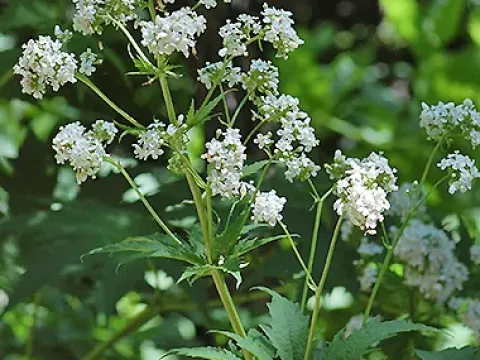
Napaea belongs to the Malvaceae family and is a perennial herbaceous plant, reaching a significant height of 1.5–2 meters. The plant features large, palmately lobed leaves and white flowers gathered in paniculate inflorescences.
The crop has high soil fertility requirements, preferring deep, humus-rich loams with a neutral or slightly acidic reaction. Good drainage is a critical condition, as waterlogging can negatively affect root system development.
The plant is relatively moisture-loving, so the best growth rates are achieved in regions with temperate climates and sufficient rainfall. In arid conditions, Napaea requires additional irrigation to maintain leaf turgor.
The optimal location for cultivation is a site protected from strong winds, as tall stems may lodge during stormy gusts. Good light exposure contributes to more abundant flowering and the accumulation of vegetative mass.
The crop demonstrates high winter hardiness in temperate latitudes; the above-ground parts die back annually with the onset of frost, while the rhizome overwinters successfully under snow cover. In spring, the plant resumes growth rapidly when average daily temperatures exceed 5–8 degrees Celsius.
Napaea possesses a fairly high level of natural resistance to most common crop diseases. However, when agronomic practices are neglected, particularly in cases of waterlogged soil, the plant may be susceptible to fungal infections.
Among the potential pathogens, powdery mildew can occur during sudden temperature fluctuations and high air humidity. Preventive spraying with fungicides during active growth periods is used to manage this risk.
Pests such as leaf-eating insects or aphids may attack young Napaea leaves during the spring. Regular monitoring of the crops allows for the early detection of infestation sites and the effective control of pest spread.
Root rot poses a threat only in heavy, poorly structured soils with chronic waterlogging. Crop rotation and the improvement of soil drainage properties are the main preventive measures against this type of risk.
Overall, the plant is considered low-maintenance regarding chemical protection. The biological resilience of Napaea makes it an attractive crop for farms that adhere to organic farming principles.