
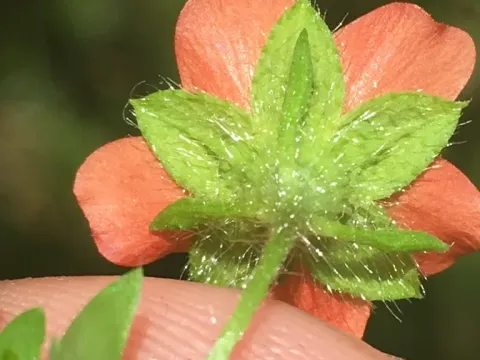
Modiolastrum
Modiola
Sowing of Modiolastrum seeds should be carried out in spring, once the soil temperatures consistently exceed 15 degrees Celsius. Pre-soaking the seeds in growth stimulants can significantly improve germination rates.
What the section contains

Modiolastrum
Seeds should be sown in a light, nutrient-rich substrate at a shallow depth of no more than 0.5 centimeters. Adequate lighting is essential during the germination phase to ensure healthy seedling development.
Once the plants have reached the two-leaf stage, they should be pricked out into individual containers. Proper spacing is necessary to ensure each plant develops a strong root system before transplantation.
Transplanting into the field is recommended only after the risk of frost has fully passed. Selecting a well-lit location with high sun exposure is vital for the plant to thrive and spread effectively.
For direct seeding, maintaining moisture in the top layer of the soil is critical. Using a light mulch can help preserve humidity and prevent the formation of a hard crust, which inhibits seedling emergence.
Modiolastrum, a member of the Malvaceae family, is a herbaceous perennial that originates from the Americas. It is well-adapted to subtropical climates, favoring warmth and abundant light.
The ideal soil for this crop is well-drained and sandy, with a neutral or slightly acidic pH level. Heavy, waterlogged soils are detrimental, as they often lead to root rot and other physiological issues.
Watering should be regular but moderate. While the plant shows some resistance to brief periods of drought once established, consistent moisture is required for maximum growth and biomass production.
The optimal temperature range for development is between 20 and 25 degrees Celsius. In areas with harsh winters, the plant is typically grown as an annual, as it cannot survive deep freezing temperatures.
Fertilization with potassium and phosphorus-rich fertilizers during the early vegetative phase supports root development and overall plant vigor, ensuring a robust ground cover.
The primary agricultural use of Modiolastrum is as a groundcover plant. It is highly effective at stabilizing soil and preventing erosion on slopes or in areas with light, disturbed soils.
While not a primary forage crop, its biomass can serve as a supplementary component in pasture mixtures depending on local livestock requirements and plant palatability.
Yield metrics for this crop are largely focused on the volume of green matter produced per hectare. Intensive management can result in a dense mat of vegetation suitable for soil protection.
Seed production is moderate. To maximize yields, harvesting should be done once the seed pods begin to brown, followed by careful drying to prevent premature splitting and seed loss.
The plant also contributes to biodiversity, acting as a habitat for beneficial insects and pollinators, which can improve the overall ecological balance within an agricultural system.
Modiolastrum is susceptible to common pests, specifically spider mites and aphids, which thrive in hot, dry conditions and can cause significant damage to the leaves.
Fungal diseases, such as powdery mildew, are frequently observed when plant density is too high or air circulation is poor, often exacerbated by high humidity levels.
Effective pest control involves monitoring for early signs of infestation and applying biological insecticides or acaricides to minimize the use of harsh synthetic chemicals.
Prevention of fungal outbreaks relies on proper spacing, adequate ventilation, and avoiding overhead watering, which helps keep the foliage dry and healthy.
Sanitation practices, including the removal and destruction of infected foliage, are essential to stop the spread of pathogens and maintain the health of the entire crop stand.