
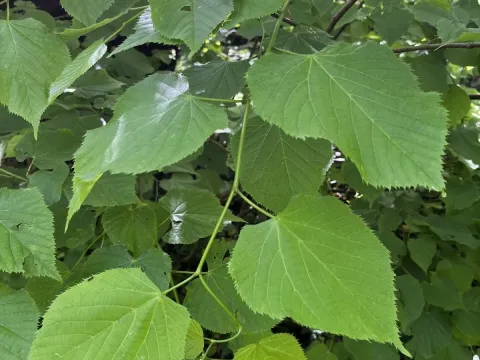
Caucasian linden
Tilia dasystyla
The Caucasian linden (Latin: Tilia dasystyla) is a prominent tree species belonging to the Malvaceae family, specifically the Tilioideae subfamily. It is recognized for its impressive height, which can reach up to 35 meters, and its robust, spreading canopy that provides significant ecological cover.
What the section contains
Caucasian linden
The native range of this species is primarily centered in the Caucasus region, extending into parts of Crimea and Western Asia. The tree typically thrives in temperate, humid climates, showing a clear preference for deep, fertile soils that provide consistent moisture without waterlogging.
In terms of environmental conditions, the Caucasian linden requires well-drained, nutrient-rich substrates to reach its full growth potential. While it can tolerate partial shade, it achieves the best canopy development and maximum flower production in open, sun-exposed locations.
Cultivation practices involve proper site selection and diligent care during the juvenile stage. Regular monitoring of soil moisture levels is essential in the first years of planting, especially in regions prone to summer droughts, to ensure successful establishment and long-term health.
Economically, this species is highly regarded for its dual role as a high-quality timber source and a crucial plant for apiculture. The flowers are renowned for producing excellent quality linden honey, while the soft, even-grained wood is a preferred choice for intricate carving and woodworking projects.
Fungal diseases, such as leaf spot and various types of rust, present a significant threat to the overall vitality of Caucasian linden stands. These pathogens thrive in high-humidity environments, often causing premature leaf drop and reducing the tree's photosynthetic capacity.
Pest management is equally important, as various insect species, including linden silk moths and leaf beetles, can defoliate large sections of the canopy. Aphid infestations are also common and can weaken the tree's health by sapping vital nutrients from new, tender shoots.
Sanitation is the most effective approach to disease control, requiring the regular removal and destruction of infected branches. By ensuring that the canopy remains open and well-ventilated, growers can significantly reduce the environment favorable for fungal spore growth.
For large-scale plantations, the application of integrated pest management strategies is highly recommended. This includes the use of biological controls to keep harmful insect populations in check while protecting pollinators that are vital for the honey production cycle.
Consistent vigilance and early intervention remain the gold standard for maintaining healthy linden populations. Through a combination of proper site maintenance and timely treatment, growers can ensure the longevity and productivity of this valuable forestry crop.