
Ceiba erianthos
Ceiba erianthos
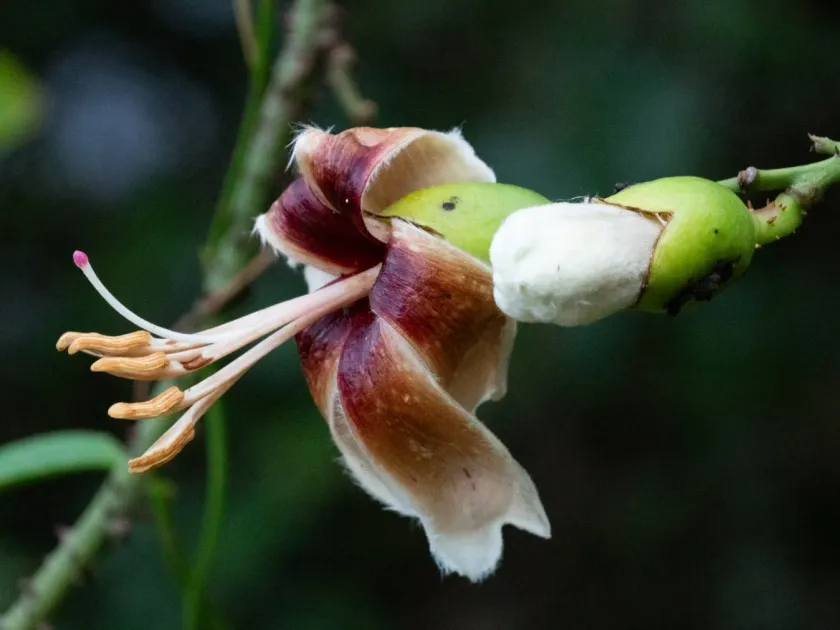
Description
Sowing dates
Propagation of Ceiba erianthos is typically achieved through seeds, which should be planted in nurseries to ensure a high survival rate before final field transplantation.
Seeds benefit from light scarification to break dormancy, followed by planting in a substrate that is both nutrient-rich and well-aerated to support early root development.
The timing of sowing is critical and must align with the onset of the rainy season to provide the seedlings with a consistent water supply during their delicate establishment phase.
When planting in rows, adequate spacing of at least 10 meters is recommended to account for the tree's vigorous crown growth and extensive root expansion.
Seedling protection from excessive sunlight and competing weeds during the first year is essential to promote straight and healthy trunk development.
Growing requirements
Belonging to the Malvaceae family, this species is well-adapted to tropical conditions, thriving in environments characterized by stable high temperatures and seasonal moisture.
The ideal soil profile consists of deep, well-drained loamy or sandy-loam soils, as the species is highly sensitive to waterlogged conditions that lead to root rot.
Ceiba erianthos demands high solar irradiance, making it unsuitable for shaded areas; therefore, sites should be selected with full sun exposure throughout the day.
While the tree is drought-tolerant once mature, it requires consistent moisture during its juvenile years to reach its full genetic potential in terms of growth rate.
Soil pH should ideally be in the range of 6.0 to 7.0, facilitating the availability of essential macro and micronutrients for optimal metabolic performance.
Main diseases and pests
The primary threats include root pathogens, particularly fungi that proliferate in compacted or overly humid soils lacking proper natural drainage.
Boring insects represent a significant risk to the trunk and structural integrity of the tree, necessitating routine inspections to detect early signs of infestation.
Leaf-feeding insects and spider mites can periodically affect the foliage, especially during rapid flushing periods following the dry season.
Integrated pest management, including the use of biological control agents and appropriate chemical interventions, is recommended for sustainable commercial plantations.
Routine maintenance such as cleaning around the base and ensuring proper airflow between trees significantly reduces the risk of common pest outbreaks.
Harvesting
The economic utilization of Ceiba erianthos often involves the collection of seed pods, which must be harvested before they fully open to prevent the loss of fiber.
Harvesting usually occurs manually once the pods begin to show slight color changes, indicating that the maturity phase has been reached.
Post-harvest processing involves the systematic drying of pods under controlled conditions to ensure that the fiber quality remains high and moisture content is minimized.
Careful separation of the fibers from the seeds is required to maintain the commercial value of the crop and prevent damage during mechanical threshing.
Storage of the harvested raw material should take place in dry, ventilated warehouses to prevent mold development or structural degradation of the fibers.