
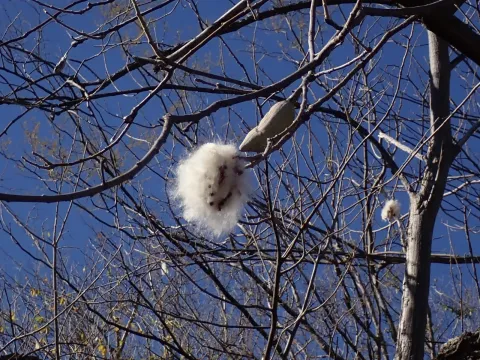
Ceiba aesculifolia
Ceiba aesculifolia
The propagation of Ceiba aesculifolia for agricultural purposes is primarily conducted through seeds.
What the section contains
Ceiba aesculifolia
Seeds are sown in a prepared nutrient-rich substrate immediately after harvesting, as they possess high germination rates but lose viability quickly if stored for long periods.
The optimal time for sowing is at the beginning of the rainy season, which provides seedlings with sufficient moisture for proper root establishment.
To accelerate germination, seeds are often subjected to pre-soaking in warm water for several hours.
Young plants require shading during their first year of growth, as direct sunlight can cause scorching on their delicate leaves.
Ceiba aesculifolia belongs to the Malvaceae family and is a deciduous tree adapted to tropical climates.
The crop prefers well-drained, fertile loamy or sandy soils and does not tolerate waterlogging in the root system.
The plant is light-loving, therefore requiring an open, sunny location for the full development of its canopy.
It demonstrates high resistance to drought periods, making it a promising crop for regions with a distinct dry season.
Optimal temperatures for active growth are in the range of +22 to +30 degrees Celsius, and the plant is highly sensitive to frost.
The economic use of Ceiba includes the harvesting of valuable fiber, known as kapok, which is collected from the fruit pods.
Ceiba fibers possess unique properties: they are lightweight, have high buoyancy, and are water-repellent.
The seeds of the plant contain a significant amount of fatty oil, which is used in the cosmetics industry and soap production.
The wood of this species is characterized by low density, making it suitable for light packaging materials, rafts, and handicrafts.
Fruit yield depends on the age of the tree, growing conditions, and the quality of cross-pollination carried out by insects and bats.
The primary pests for Ceiba include various leaf-eating insects and caterpillars that can damage young foliage.
Root rot can become a serious problem if cultivation techniques are violated, especially under conditions of excessive watering in heavy soils.
The plant is susceptible to fungal diseases, manifesting as leaf spots under conditions of high air humidity.
To prevent infestations, it is necessary to ensure good ventilation of the canopy and promptly remove infected plant parts.
While pests do not cause critical damage in natural environments, monitoring of phytosanitary conditions is required in plantation settings.
The harvesting of Ceiba fruit is conducted during the ripening period, when the pods begin to split open naturally.
It is crucial to collect the fiber before strong winds disperse it along with the seeds, which complicates manual harvesting.
Fruit collection is most often carried out using ladders or specialized lifting equipment, as the tree reaches significant heights.
After collection, the pods are cleaned, and the fiber is separated from the seeds, sun-dried, and pressed for further transportation.
Stored raw materials should be kept in dry, ventilated areas to prevent mold and the loss of commercial kapok quality.