
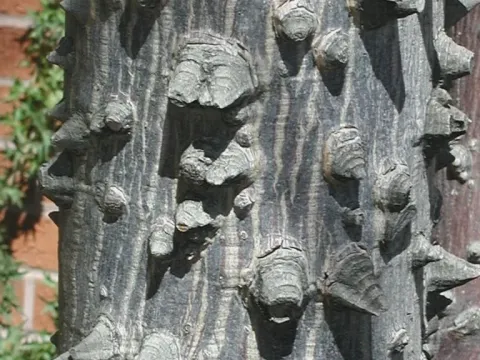
Ceiba acuminata
Ceiba acuminata
Ceiba acuminata, a member of the Malvaceae family, is a deciduous tree native to the tropical forests of Mexico and parts of Central America. It is biologically adapted to thrive in regions characterized by distinct wet and dry seasons, exhibiting high resilience to periodic drought.
What the section contains
Ceiba acuminata
The cultivation of this species requires specific environmental conditions, primarily focusing on tropical temperature regimes. It thrives in well-drained soil types and is often found in rocky or limestone-rich terrains in its natural habitat, indicating a preference for high soil aeration.
Growth potential is maximized in regions with high annual average temperatures. As a tropical plant, it cannot withstand freezing conditions; therefore, its agronomic range is strictly confined to frost-free zones where heat units are sufficient for the development of seed pods.
Botanically, the plant is characterized by its fast-growing habit and specialized reproductive biology. The flowers are typically pollinated by bats, a unique trait that contributes to the ecological success of the species in its native ecosystem.
The primary economic interest lies in the fiber harvested from its seed pods, known as kapok. This material is valued for its water-repellent, buoyant, and insulating properties, making it a sustainable alternative in various industrial applications ranging from bedding to marine safety equipment.
Root rot caused by waterlogging is a primary concern for Ceiba acuminata plantations. Proper site selection and the installation of effective drainage systems are essential to prevent anaerobic conditions in the root zone, which can lead to catastrophic mortality.
Wood-boring insects represent a significant threat, as they can tunnel into the trunk and weaken the structural integrity of the trees. Integrated pest management strategies, including the use of pheromone traps, are recommended to maintain population levels below economic injury thresholds.
Leaf-feeding insects and spider mites may affect the vitality of nursery stock and young saplings. Early detection and the application of horticultural oils or biological control agents are effective methods to manage these threats without damaging the environment.
Fungal infections can emerge during periods of prolonged high humidity, affecting both leaves and young branches. Increasing canopy ventilation through strategic pruning is a standard agronomic practice to reduce the prevalence of these pathogens.
Nutritional deficiencies can exacerbate vulnerability to secondary diseases. Soil testing and the application of balanced, slow-release fertilizers ensure that the trees maintain robust health, which acts as a primary defense mechanism against various biotic stressors.