
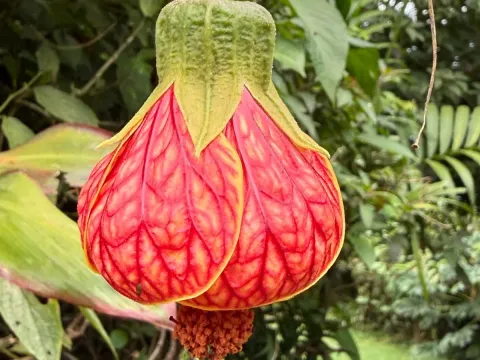
Callianthe
Callianthe
Propagation of Callianthe is primarily achieved through seeds, which should be sown in a high-quality, well-draining substrate. The ideal time for sowing is during the early spring once the soil temperature consistently reaches 15 to 18 degrees Celsius, ensuring optimal germination rates.
What the section contains


Callianthe
Seeds should be covered with a thin layer of soil, approximately 1–2 centimeters deep, to protect them while allowing sufficient light exposure for growth. Keeping the substrate moist, but not waterlogged, is essential for successful seedling establishment within the first three weeks.
For gardeners looking to improve germination efficiency, pre-soaking seeds in warm water or using organic growth stimulants can significantly accelerate the emergence of sprouts. This practice ensures a more uniform crop density across the planting area.
Using indoor trays for starting seedlings is a recommended practice, particularly in regions with shorter growing seasons. This allows the plant to develop a robust root system before being transplanted into the final location once the threat of frost has passed.
Spacing is a critical factor for Callianthe, with a recommended distance of 40–60 centimeters between individual plants. This spacing prevents overcrowding, which is vital for maintaining healthy air circulation and reducing the spread of foliage-related diseases.
As a member of the Malvaceae family, Callianthe thrives in environments that offer plenty of direct sunlight. Selecting a site with at least six to eight hours of sun exposure daily is necessary to encourage vigorous growth and maximum flower production.
The plants require fertile, loamy, and well-draining soil to perform at their best. Soil pH levels should be maintained in the neutral to slightly acidic range, as extreme levels can interfere with nutrient uptake and cause developmental issues for the plant.
Water management is crucial for this genus; while they appreciate consistent moisture during the growing season, they are sensitive to waterlogging. It is important to monitor soil moisture and provide water only when the surface layer begins to dry out.
Temperature stability is vital for Callianthe, as most species are not naturally tolerant of harsh frost. In colder climates, protective mulching or moving containerized plants to sheltered areas during winter months is required to ensure their survival to the next season.
Fertilization should be performed during the active vegetative stage, focusing on phosphorus and potassium-rich nutrients. These elements support the development of strong stems and abundant flowers, which are the primary hallmarks of a healthy Callianthe specimen.
The primary pests affecting Callianthe include common Malvaceae-targeted insects such as aphids and spider mites. These pests thrive in dry conditions and can cause significant foliage damage if their populations are not managed promptly with suitable insecticidal soap or biological controls.
Powdery mildew represents a major fungal threat, particularly in humid or crowded conditions where airflow is restricted. Implementing cultural practices, such as proper pruning and spacing, helps mitigate the conditions that favor fungal growth.
Root rot is a serious concern caused by overwatering or poorly drained soil, leading to the rapid decline of the plant. Ensuring the root system has adequate drainage and using sterile potting mixes can help prevent the incidence of soil-borne pathogens.
Regular monitoring of plant health is essential, especially during the peak flowering season. Checking the underside of leaves for signs of pests or spotting allows for early intervention, preventing localized infestations from becoming systemic problems.
Maintaining a clean growing environment by removing debris and infected plant parts minimizes the risk of recurring infections. Good sanitation practices are the first line of defense in managing the long-term health and vitality of your Callianthe collection.