
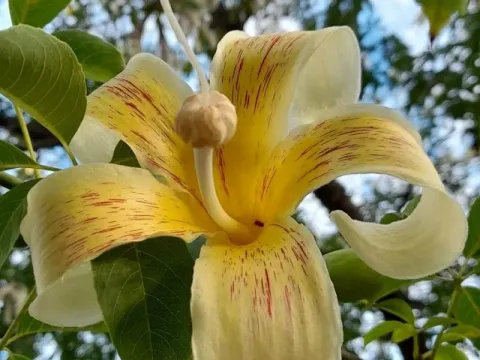
Ceiba chodatii
Ceiba chodatii
Ceiba chodatii is a remarkable tree species belonging to the Malvaceae family, widely recognized for its unique bottle-shaped trunk. Originating from the dry forests of South America, specifically in regions like Paraguay and Argentina, it has evolved to thrive in arid conditions.
What the section contains
Ceiba chodatii
This crop demands a well-draining soil profile. Sandy or rocky substrates are ideal as they prevent water accumulation around the roots, which is the primary cause of physiological stress for this plant. Proper aeration of the root zone is a critical factor for success.
Climate requirements for this species are strict: it thrives in full sun and warm temperatures. It is highly intolerant of frost, meaning that even short periods of sub-zero temperatures can lead to significant damage or plant death in agricultural settings.
Watering management should be precise, following the natural seasonality of its habitat. During the active growing season, irrigation should be regular but moderate, while a period of drought should be maintained during the dormant phase to ensure health.
In terms of agricultural and commercial use, Ceiba chodatii provides a soft wood used for packaging materials and lightweight construction. Additionally, its seed pods yield fiber, which has historically been utilized as a natural insulating material and upholstery filler.
Fungal pathogens remain the primary threat to Ceiba chodatii, particularly in nurseries where humidity levels might be excessive. Root rot caused by species like Phytophthora is a significant concern that requires stringent irrigation control.
Scale insects and spider mites are the most common pests affecting the foliage. These pests can cause chlorosis and premature leaf drop if not managed correctly using integrated pest management (IPM) practices.
Bacterial cankers can occur when the trunk is damaged or improperly pruned, providing entry points for pathogens. Maintaining tree hygiene and ensuring proper tool sterilization is essential for preventing the spread of these infections.
Aphid infestations may occur on new growth, causing curling and stunt development. While usually not fatal to mature trees, they can severely impact the growth rates of saplings and require timely application of systemic insecticides.
Nematode infestation in the root system can reduce nutrient uptake efficiency. Using clean, sterilized soil medium for initial growth stages is the best defense against these microscopic soil-borne pests.