
Pseudabutilon spicatum
Pseudabutilon spicatum
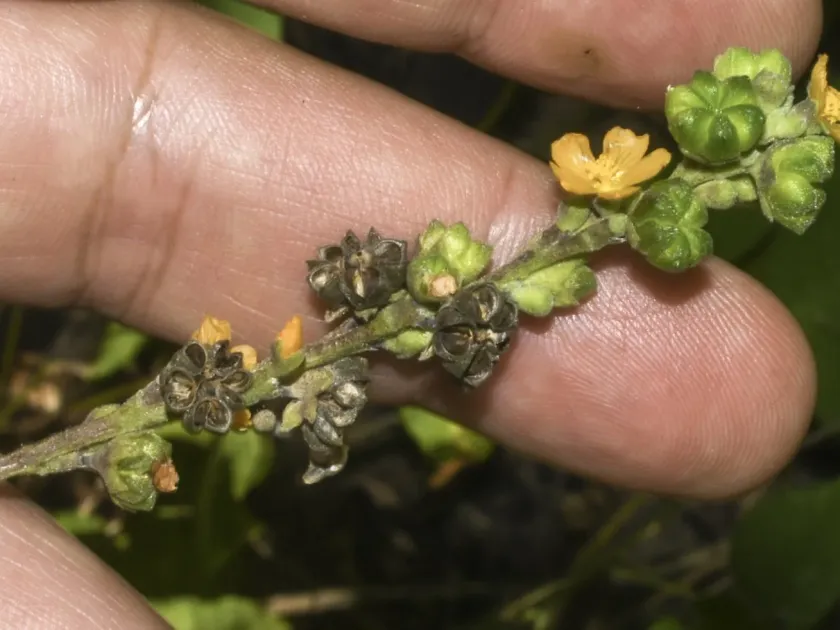
Description
Growing requirements
Pseudabutilon spicatum is a perennial herbaceous plant belonging to the Malvaceae family. It is native to the tropical and subtropical regions of the Americas, where it thrives in diverse ecological niches due to its adaptability to warm climates.
The plant requires well-drained, fertile soils with a neutral pH to achieve optimal growth. Poorly drained conditions or heavy clay soils can lead to root rot, which significantly limits the yield of biomass in commercial agricultural settings.
Regarding climate, Pseudabutilon spicatum is strictly a thermophilic species. It demands high levels of solar radiation and warm temperatures throughout the growing cycle, as it cannot tolerate frost or prolonged cold snaps which cause cellular damage to the stems.
Agronomic management involves strict irrigation practices to maintain steady moisture levels without waterlogging the root zone. Regular weeding is also essential during the early stages of growth to reduce competition for nutrients and sunlight.
In terms of economic value, this plant is studied for its potential in the fiber industry. The bast fibers located in the stems possess characteristics that may be utilized for textile production, similar to other related genera in the Malvaceae family.
Main diseases and pests
Pests such as spider mites and aphids are known to cause significant damage to the foliage of Pseudabutilon spicatum. If left unmanaged, these pests can drastically reduce the photosynthetic capacity and vitality of the crops.
Fungal diseases, including leaf spots and root pathogens, are common in environments with poor air circulation or excessive moisture. Integrated pest management, including crop rotation and the use of resistant cultivars, is recommended to mitigate these risks.