
Phymosia
Phymosia
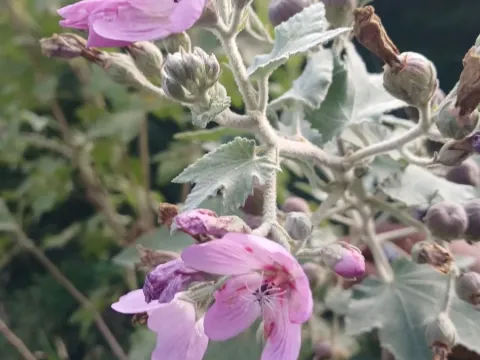
Phymosia is a genus of flowering plants belonging to the Malvaceae family. Originating from regions in Mexico and Central America, these plants are known for their distinct woody stems and specific leaf structure, characteristic of the mallow family.
What the section contains

Phymosia
Botanically, Phymosia species can vary from small shrubs to large perennials, often featuring velvety or pubescent leaves. They serve as an important part of the biodiversity in their native habitats and are cultivated globally for their aesthetic value in specialized gardens.
The plant demands well-drained soil, preferably rich in organic matter. They thrive in climates that mimic their native environments, characterized by moderate to high light levels and protection from harsh, drying winds which can damage their foliage.
Optimal growth is achieved in soils with a slightly acidic to neutral pH level. Over-saturation must be avoided at all costs, as the roots are prone to oxygen deprivation and pathogen attacks when kept in waterlogged conditions.
Maintenance involves routine pruning to maintain the shrub shape and to remove dead or diseased stems after the active growing season. Regular mulching is recommended to conserve soil moisture and suppress the growth of weeds around the base of the plant.
The most significant pathological threats to Phymosia include fungal infections such as powdery mildew and root rot, which typically thrive in high humidity. Proper air circulation and controlled irrigation are essential to mitigating these risks.
Pest management should focus on monitoring for sap-sucking insects such as aphids, spider mites, and whiteflies. Early detection and the application of targeted insecticides or horticultural oils are recommended to preserve plant health.