
Pseudabutilon virgatum
Pseudabutilon virgatum
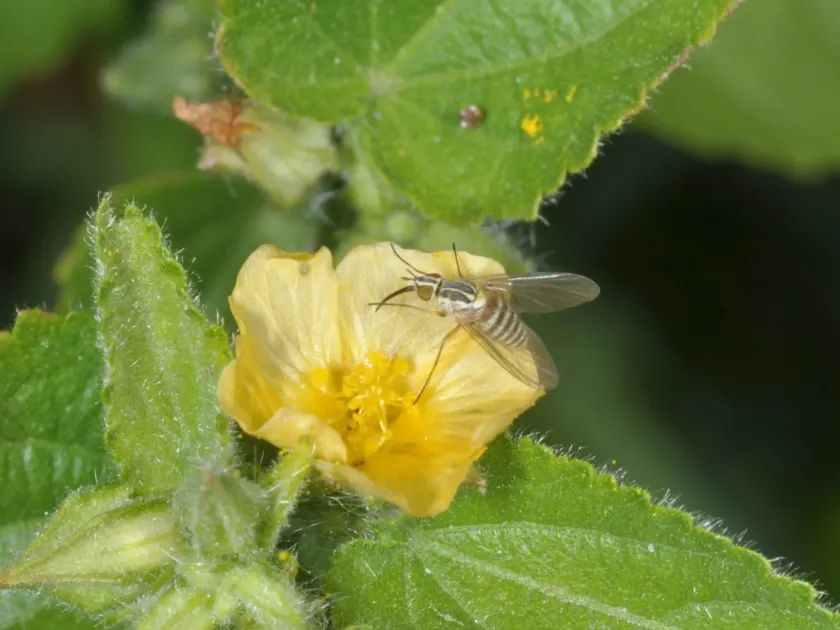
Description
Growing requirements
Pseudabutilon virgatum is a plant species belonging to the Malvaceae family. It is recognized for its slender, upright growth habit and fibrous stems, which are characteristic of many plants within the Malvoideae subfamily, often compared to other bast-fiber producing relatives.
The native range of this plant is centered in South America, specifically in regions such as Brazil and Argentina. It typically inhabits tropical and subtropical environments, flourishing in habitats that provide ample solar radiation and consistent warm temperatures throughout the year.
Agronomic success for this crop depends heavily on climatic stability, as the plant is not frost-tolerant. It requires a long growing season to reach its maximum biomass potential and is generally unsuitable for regions that experience significant winter cold or late spring frosts.
Regarding soil conditions, Pseudabutilon virgatum prefers well-drained, fertile soils with a neutral pH level. It is essential to ensure that the soil structure supports deep root penetration while avoiding waterlogged conditions, which can be detrimental to the plant's overall health and fiber quality.
The primary agricultural interest in this species lies in its fiber production potential. Research into the plant's biology suggests that it could serve as a viable source of natural fibers for sustainable textile industries or as a biomass crop for localized industrial fiber applications.