
Pseudabutilon umbellatum
Pseudabutilon umbellatum
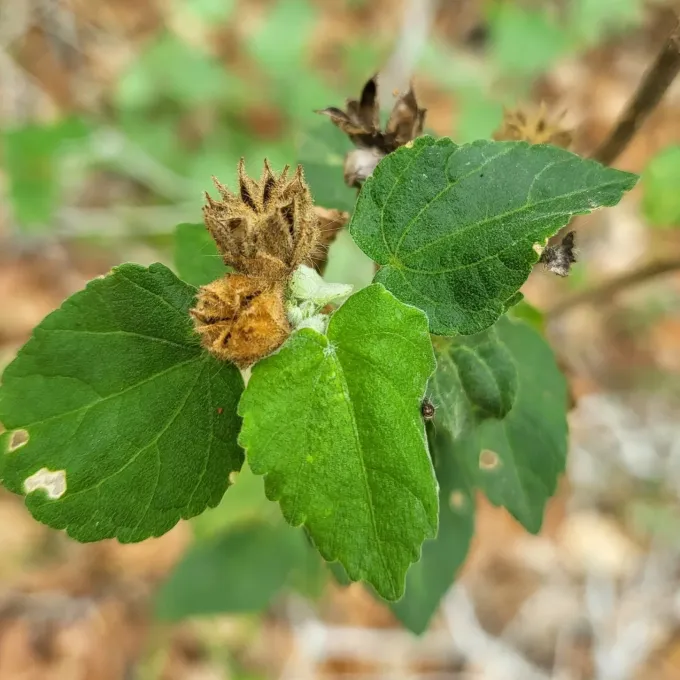
Description
Growing requirements
Pseudabutilon umbellatum is a notable member of the Malvaceae family. It is recognized for its botanical features typical of tropical herbs and shrubs, which are often studied for their fibrous potential.
The crop thrives in well-drained, nutrient-rich soils. It requires a neutral soil reaction and avoids waterlogged environments, which can lead to rapid root decay and plant mortality.
Climatic requirements focus on a high heat and light demand. As a tropical species, it requires constant temperatures and full sun exposure to initiate the flowering stage effectively.
Botanically, the plant is characterized by its umbrella-like flower arrangements. These structures facilitate pollination, ensuring a consistent seed set under favorable environmental conditions.
Agronomic practices involve systematic monitoring of soil moisture. Fertilization programs should prioritize nitrogen for early development and potassium to strengthen the stem structure for optimal biomass yield.
Main diseases and pests
Fungal infections, specifically those thriving in humid environments, represent the primary threat to Pseudabutilon umbellatum. Proper ventilation and planting spacing are essential to mitigate these risks.
Common insect pests include spider mites and aphids, which frequently infest the foliage. These pests can significantly reduce photosynthetic capacity if not managed early in the season.
To control populations of harmful insects, biological control agents are often used in professional nursery settings. This ensures the crop remains sustainable and safe for potential fiber extraction.
Root rot caused by Phytophthora or Pythium species is a common soil-borne threat. Implementing a strict crop rotation schedule helps reduce the inoculum density in the growing field.
Monitoring for viral symptoms, such as leaf mosaic or yellowing, is also crucial. Early identification of these symptoms allows for the removal of affected plants, preventing further transmission.