
Plagianthus
Plagianthus
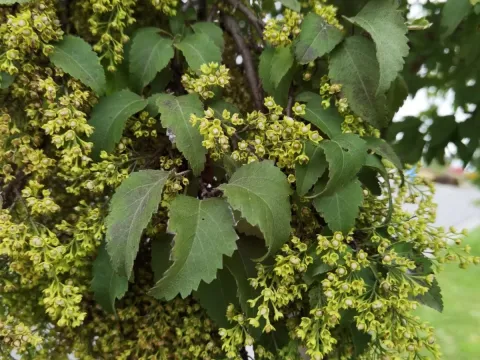
Plagianthus is a genus of trees and shrubs belonging to the Malvaceae family. Native primarily to New Zealand, these plants are known for their resilience and unique botanical features, including distinctive leaf structures and a robust growth habit in varied environments.
What the section contains


Plagianthus
The plant thrives in well-drained, nutrient-rich soils that allow for deep root penetration. While Plagianthus is adaptable, it performs best in soils with a slightly acidic to neutral pH, avoiding compacted or waterlogged areas that may inhibit its long-term development.
Climatic requirements involve plenty of exposure to sunlight, as the plant needs sufficient light for photosynthesis and vigorous branch development. It prefers temperate zones and requires protection from extreme cold or harsh, drying winds during its initial years of establishment.
Cultural practices include regular irrigation during dry spells to maintain soil moisture, though mature plants demonstrate moderate drought tolerance. Applying organic mulch around the base of the plant helps to regulate soil temperature and minimize competition from weeds.
In agricultural and landscaping contexts, Plagianthus is utilized for shelterbelts, site stabilization, and as a decorative element. Its wood is historically recognized for its strength and flexibility, finding niche applications in traditional crafts and natural resource management.
Common pests affecting the plant include aphids and scale insects, which may congregate on new growth. Effective pest management involves monitoring the foliage regularly and using environmentally friendly treatments to preserve the plant's health and aesthetic appeal.
Pathogenic threats are primarily associated with fungal infections, particularly in environments with poor air circulation or excessive moisture. To mitigate these risks, proper spacing is essential during planting, alongside routine pruning to enhance airflow throughout the plant's crown.