
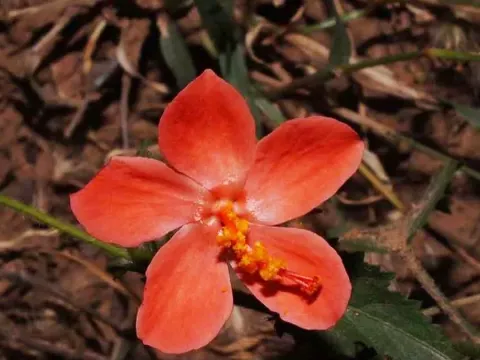
Hibiscus hirtus
Hibiscus hirtus
Hibiscus hirtus belongs to the Malvaceae family. This species is a perennial herbaceous plant or small shrub that typically propagates via seeds in its natural tropical habitat.
What the section contains
Hibiscus hirtus
For cultivation, the sowing period should ideally take place during spring months when the soil temperature reaches 20–25 degrees Celsius. Seeds often require scarification to break dormancy and improve germination rates.
When starting in nurseries, seeds are sown into a nutrient-rich substrate at a depth of approximately 1–2 centimeters. Maintaining a stable temperature and high humidity is crucial for successful seedling emergence.
Once seedlings reach a height of 10–15 centimeters, they are transplanted to their permanent location with a spacing of at least 50 centimeters. Planting density is adjusted based on specific cultivation objectives.
The plant exhibits rapid growth during its early vegetative stages, provided it receives sufficient sunlight and is managed without competition from surrounding weeds.
As a typical tropical species, Hibiscus hirtus is highly sensitive to cold temperatures. In temperate climates, it must be grown in greenhouses or as a container plant to protect it from freezing.
The plant thrives in full sun exposure. Growing it in shaded conditions often results in etiolated stems and a significant decrease in the abundance of flowers.
Regarding soil, Hibiscus hirtus prefers light, fertile loams with a neutral to slightly acidic pH. Soil aeration is essential for optimal root development and health.
Proper drainage is a critical requirement, as waterlogged soil quickly leads to root rot. Regular, measured irrigation is recommended to maintain constant soil moisture without saturation.
Fertilization with balanced mineral fertilizers is beneficial. High-nitrogen formulas support vegetative growth, while potassium-rich applications are advised before the flowering cycle begins.
The primary pests affecting Hibiscus hirtus are sap-sucking insects, including aphids and spider mites, which flourish in low-humidity environments.
Mealybugs pose a significant threat by infesting leaf axils and stems, leading to stunted growth, leaf deformation, and a decline in the overall vigor of the plant.
Root rot is the most common fungal disease, typically caused by overwatering or poor drainage systems in the container or field bed.
Fungal leaf spot diseases, such as those caused by Alternaria or Cercospora species, can spread rapidly if air circulation is insufficient and leaf surfaces remain damp.
Integrated pest management, including regular inspection and the timely application of fungicides and insecticides, is essential to keep the crop healthy and productive.