
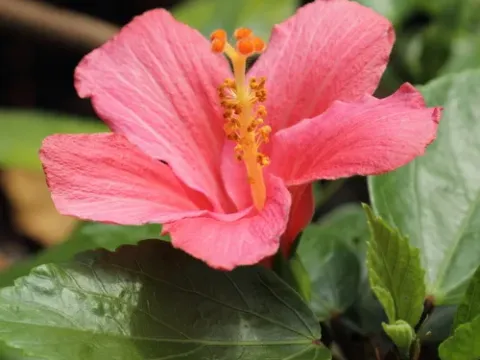
Hibiscus fragilis
Hibiscus fragilis
Hibiscus fragilis, commonly known as the brittle hibiscus, is a critically endangered shrub belonging to the Malvaceae family. It is endemic to the island of Mauritius and is rarely found outside specialized conservatories.
What the section contains
Hibiscus fragilis
The species requires a stable tropical environment. High humidity levels combined with a consistent temperature range, typically between 20°C and 28°C, are essential for maintaining the plant's health and vigor.
Regarding soil requirements, this hibiscus thrives in light, well-draining substrate rich in organic matter. Proper drainage is crucial, as the plant is highly susceptible to root diseases if kept in waterlogged conditions.
Exposure to light must be carefully balanced. While it needs plenty of indirect sunlight for optimal photosynthesis, direct midday sun can be detrimental to its delicate foliage, potentially causing leaf scorch.
Maintenance involves precise irrigation management. It is advised to use filtered or distilled water, as the plant may be sensitive to certain minerals commonly found in tap water, which can affect soil pH balance.
The primary threat to the wild population of Hibiscus fragilis is habitat loss and the encroachment of invasive plant species. These pressures have pushed the plant to the brink of extinction.
In cultivation, common greenhouse pests such as spider mites and aphids are the main adversaries. These pests thrive in dry indoor conditions and can cause significant damage to the plant's soft stems and leaves.
Fungal pathogens represent a significant risk, particularly those that thrive in stagnant air. Ensuring good airflow is essential to prevent the development of powdery mildew and other foliar infections.
Nutrient deficiencies can occur if the soil is not appropriately supplemented. Monitoring for signs of chlorosis is vital, as the plant needs specific micronutrients to sustain its vibrant growth.
Conservation efforts rely on strict adherence to biosecurity protocols. Keeping the plants isolated and clean is the best way to prevent the spread of diseases that could devastate the remaining fragile population.