
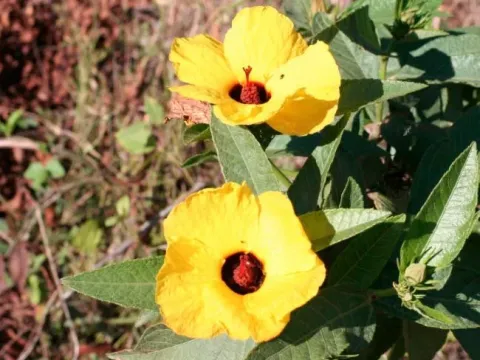
Hibiscus divaricatus
Hibiscus divaricatus
Hibiscus divaricatus is a distinctive perennial shrub belonging to the Malvaceae family. It is recognized for its unique, spreading growth habit, with branches that often exhibit a characteristic divaricating, or widely divergent, pattern that distinguishes it from more common hibiscus varieties.
What the section contains
Hibiscus divaricatus
The plant originates from tropical environments where it thrives under high-temperature regimes and abundant sunlight. In terms of cultivation, it requires a growing site that offers protection from frost, as the species is not cold-hardy and will suffer significant damage if exposed to sub-zero temperatures.
Optimal soil conditions for this crop include a well-draining, nutrient-rich substrate with a pH level ranging from slightly acidic to neutral. High moisture retention is beneficial, but waterlogged soils must be avoided at all costs to prevent root zone hypoxia and subsequent fungal infections.
Agronomic management of Hibiscus divaricatus involves consistent irrigation protocols, particularly during the peak growing season. Furthermore, the application of nitrogen-phosphorus fertilizers is recommended to support leaf development and overall plant vigor, ensuring the shrub maintains its aesthetic form.
In terms of economic and practical utility, this species is primarily utilized as an ornamental plant in landscaping. Its unique structure makes it an excellent candidate for conservatory displays, botanical gardens, and sheltered outdoor spaces in subtropical climates where its architectural shape can be fully appreciated.
The crop is susceptible to various pests, most notably spider mites and aphids, which thrive in dry environmental conditions. Effective control measures include regular visual inspection of the underside of leaves and the application of integrated pest management strategies to keep populations under thresholds.