
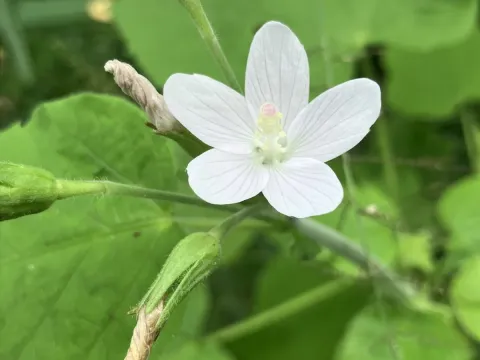
Hibiscus lobatus
Hibiscus lobatus
The sowing of Hibiscus lobatus seeds should take place once the soil has warmed sufficiently, typically when the risk of spring frost has completely passed. Soil temperatures of +20°C to +25°C are ideal for rapid germination.
What the section contains
Hibiscus lobatus
Seeds are placed at a depth of 1 to 2 centimeters to ensure adequate warmth while preventing desiccation. Maintaining a row spacing of 40–50 centimeters is essential for proper airflow and root development during the vegetative growth phase.
Pre-soaking seeds in growth-stimulating solutions can significantly increase germination speed and uniformity. Under favorable conditions, seedlings emerge within 7 to 12 days, establishing a robust root system early on.
The crop is known for its vigorous growth, which allows it to canopy quickly and effectively suppress competing weed species. Proper weed control during the first few weeks after emergence is the primary factor in ensuring high yields.
Deep plowing before sowing is recommended to break up soil compaction and improve aeration. This practice encourages deeper root penetration and leads to stronger, more resilient stalks in fiber-producing varieties.
Hibiscus lobatus, a member of the Malvaceae family, is a tropical and subtropical plant that thrives in full sunlight. It requires consistent exposure to light to maximize photosynthetic activity and biomass production.
The plant prefers well-drained, fertile loamy soils with a pH ranging from neutral to slightly acidic. Soils that are prone to waterlogging should be avoided as they significantly increase the risk of root-related diseases.
While the plant exhibits moderate drought tolerance once established, consistent moisture levels during the growing season are necessary to achieve optimal yields. Excessive humidity or stagnant water is detrimental to the overall health of the crop.
Nitrogen fertilization is essential for rapid biomass accumulation, particularly during the early vegetative stages. Potassium supplementation may be necessary in certain soil types to strengthen stalk rigidity and prevent lodging.
The plant performs best at temperatures between +25°C and +30°C. Temperatures dropping below +15°C will result in stunted growth and development, making location selection critical for success in cooler regions.
Common pests affecting Hibiscus lobatus include aphids and whiteflies, which feed on the plant sap. These pests can cause leaf curling and serve as vectors for various plant viruses if left unmanaged.
Powdery mildew is the most frequent fungal disease, characterized by a white, dusty layer on the foliage. It thrives in high humidity and poorly ventilated environments, often becoming a problem in densely planted fields.
Root rot, caused by fungal pathogens in oxygen-deprived soil, is a serious threat associated with improper drainage or over-irrigation. Symptoms typically include yellowing of the leaves and sudden wilting of the entire plant.
Implementing a proper crop rotation strategy is the most effective preventative measure against soil-borne pests and diseases. Avoiding the planting of other Malvaceae species in the same field for consecutive years helps maintain soil health.
In cases of severe infestation, the use of targeted biological or chemical control agents is recommended. Early detection through regular field scouting allows for timely intervention before economic damage occurs.
The harvest timing for Hibiscus lobatus depends on the desired end product, whether it is fiber or seeds. For fiber production, the stems are typically harvested at the onset of flowering when fiber quality is at its peak.
If seed production is the primary goal, the plants must remain in the field until the seed pods have reached full maturity. Timing is crucial, as the pods are prone to shattering and seed loss if left for too long.
Mechanical harvesting equipment should be calibrated to prevent excessive damage to the delicate plant tissues. Efficiency in harvesting is essential for high-quality production, especially when handling large acreage.
Post-harvest handling involves drying the biomass in well-ventilated areas to prevent mold and bacterial decay. Proper drying conditions are critical for maintaining the structural integrity of fibers and the viability of seeds.
Storage facilities must be dry and cool to ensure the longevity of the harvested material. Regular monitoring of stored seeds for moisture content is necessary to prevent premature spoilage before the next planting cycle.