
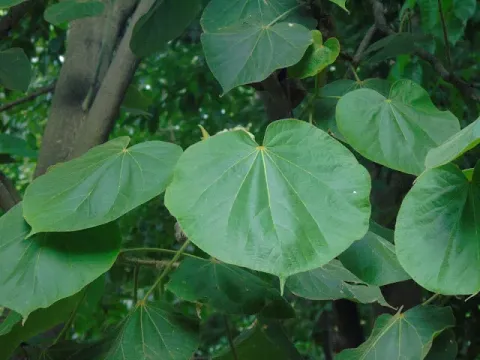
Hibiscus macrophyllus
Hibiscus macrophyllus
Hibiscus macrophyllus is a tall, tropical woody species belonging to the Malvaceae family. It is recognized for its rapid growth rate, making it a viable candidate for sustainable fiber production in tropical forestry.
What the section contains
Hibiscus macrophyllus
Sowing typically begins at the onset of the rainy season, as the high soil moisture content is crucial for the germination process. Proper site preparation ensures that the seeds have the best environment to develop their root systems.
For large-scale cultivation, pre-treatment of seeds, such as scarification, is highly recommended to improve the germination rate and ensure uniform development across the entire crop area.
Once the seedlings reach a height of 40-60 centimeters, they are transplanted into the main field. Providing sufficient spacing between plants is essential, as the species features large leaves that can reach significant diameters.
Weed control is of utmost importance during the first year. Young plants are sensitive to competition for sunlight and nutrients, requiring consistent management of the surrounding vegetation to thrive.
As a tropical plant, Hibiscus macrophyllus requires a warm climate with average daily temperatures consistently staying above 20 degrees Celsius throughout the year.
The species prefers fertile, well-draining loamy soils. Excessive water retention in the soil profile is detrimental to root health and can lead to plant decline or mortality.
While the tree is heliophilic (sun-loving), young plants benefit from partial shade to mimic natural conditions, which helps them establish without excessive stress from direct tropical sunlight.
Maintaining stable moisture levels is critical. During periods of drought, the growth rate decreases significantly, and the large foliage may wilt or shed prematurely if water stress becomes severe.
The optimal pH range for this crop is between 6.0 and 7.5. Soils that are too acidic require the application of lime or other soil conditioners to ensure proper nutrient availability for the plant.
The primary agricultural interest in Hibiscus macrophyllus lies in its bast fiber, which is extracted from the bark of the stems and branches. This fiber is known for its durability.
In well-managed plantations, the first harvest of fiber can be expected within 3 to 5 years. Regular pruning and coppicing cycles are used to maintain high yields and encourage continuous growth.
The wood itself is lightweight and soft, often utilized locally for temporary construction materials, crates, or as raw material for specialized paper pulping processes.
Yield depends heavily on plantation density and soil fertility. Balanced fertilization programs that focus on organic matter and nitrogen can significantly boost the biomass production of the trees.
Beyond fiber, the plant provides biomass that can be used for green manure or as an experimental feed component after proper processing to remove secondary metabolites typical of the Malvaceae family.
Pests such as aphids and spider mites are frequent visitors, colonizing the large leaves and extracting sap, which results in leaf yellowing and reduced photosynthetic efficiency.
Fungal diseases, including leaf spots and powdery mildew, represent a major threat in high-humidity environments. Good airflow within the canopy is necessary to mitigate these issues.
Root rot, often caused by poor drainage or overwatering, can destroy entire sections of a plantation. Regular field monitoring for early signs of decay is standard practice for professional growers.
Nematodes may cause problems in sandy soil conditions. Integrated pest management, including crop rotation and the use of resistant rootstocks, helps to manage the population levels effectively.
Sanitation practices, including the removal and burning of infected branches, play a key role in preventing the spread of diseases and pests throughout the farming plot.
Harvesting for fiber involves cutting selected stems and carefully stripping the bark. This task requires skill to ensure that the cambium is not damaged, allowing for future regrowth.
The extracted bark is then subjected to a retting process, where it is submerged in water for several days to decompose the non-fibrous plant tissues.
Once retting is complete, the fibers are cleaned of any remaining debris, washed, and dried in shaded areas. Shading is essential to prevent fiber degradation caused by excessive sunlight.
Seed harvesting should be synchronized with the maturation of the fruit capsules. The capsules must be collected before they open to prevent the loss of seeds on the forest floor.
After processing, the fiber is sorted by grade, bundled into bales, and stored in dry, well-ventilated conditions to maintain quality and prevent mold or fungal attacks prior to transport.