
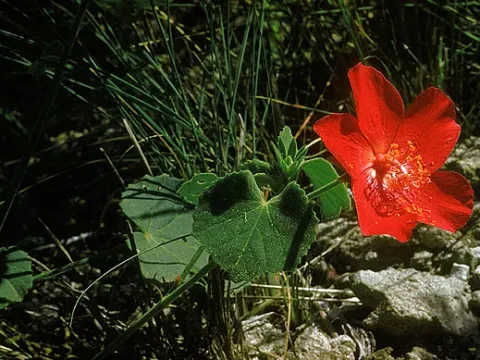
Hibiscus martianus
Hibiscus martianus
The sowing of Hibiscus martianus should ideally be initiated during the early spring season, once soil temperatures have stabilized after the winter period. Utilizing controlled indoor conditions allows for an earlier start in late winter.
What the section contains
Hibiscus martianus
Seed preparation is crucial for uniform germination. Scarification of the seed coat helps overcome dormancy, facilitating quicker water absorption and root emergence from the embryo.
Seeds should be sown at a shallow depth of approximately 1 centimeter in a high-quality, well-draining seed-starting mix. Adequate light exposure is necessary even at the germination stage for healthy development.
Transplanting seedlings into individual containers is recommended once they reach the two-leaf stage. This reduces competitive pressure and encourages a more robust and uniform root architecture.
Acclimatization of seedlings to outdoor conditions, commonly known as hardening off, must be performed gradually over a period of two weeks prior to permanent field planting.
As a member of the Malvaceae family, Hibiscus martianus thrives in environments with high solar intensity. Full sun exposure is non-negotiable for achieving maximum floral production and structural integrity.
Soil requirements focus on fertility and drainage. The plant prefers deep, loamy soils enriched with organic matter, maintaining a near-neutral soil pH to optimize nutrient bioavailability.
Water management entails maintaining consistent soil moisture without triggering waterlogging. The irrigation schedule should focus on the early morning hours to allow leaf moisture to evaporate before evening.
Protection from high-velocity winds is necessary to prevent mechanical damage to the stems and flowers. Proper spacing between plants promotes airflow and minimizes the risk of humidity-related pathogens.
Temperature fluctuations should be minimized. While the plant can tolerate heat, extreme temperature drops can cause significant physiological stress, impacting the metabolic rate and blooming potential.
The yield of Hibiscus martianus is primarily evaluated through its ornamental output. High-performance plants exhibit a high density of continuous blooms throughout the peak growing season.
Balanced fertilization programs, particularly those emphasizing phosphorus and potassium during the pre-flowering stage, are essential for maximizing the quantity and size of the blooms.
Seed yield is an important metric for propagation purposes. Healthy plants managed for seed production require sufficient nutrient reserves after the flowering peak to ensure high-quality, viable embryos.
Pruning and deadheading are critical agronomic practices to manipulate the plant architecture. By removing spent flowers, the plant reallocates energy from seed production back into secondary branching and new buds.
The biological efficiency of the plant is enhanced by regular monitoring of foliage health. A robust photosynthetic system directly correlates with a higher number of reproductive structures on the plant.
Spider mites and aphids represent the most frequent threats to the crop. These pests extract sap from the foliage, leading to chlorosis, stunted growth, and a significant decrease in overall vitality.
Fungal pathogens such as powdery mildew thrive in high-humidity environments with stagnant air. Early symptoms include white patches on the leaves, which can spread rapidly if not managed promptly.
Root rot is a physiological and pathological threat often resulting from poor drainage or excessive irrigation. It manifests as a sudden wilting of the plant, often leading to rapid mortality.
Management strategies involve a combination of biological control and targeted insecticidal applications. Consistent monitoring for early signs of infestation is the most effective preventative measure.
- Integrated Pest Management (IPM) protocols.
- Removal of infected foliage to prevent spread.
- Use of sterilized pruning equipment to maintain hygiene.
Harvesting the seed crop occurs when the capsules transition from green to a dark brown, hardened state. Care must be taken to harvest just before natural dehiscence occurs to prevent yield loss.
After collection, seed capsules should be dried in a well-ventilated, shaded area. This slow-drying process ensures the preservation of seed viability and prevents microbial growth.
Storage requires cool, dry conditions with stable temperatures. Using breathable containers like paper bags helps prevent moisture accumulation and maintains the physiological quality of the seeds.
Post-season sanitation involves the complete removal of plant residues from the field to minimize the overwintering population of pests and fungal spores in the soil.
The quality of the harvested seeds is determined by color uniformity and density. High-quality seeds are firm to the touch and devoid of visible signs of physical damage or disease.