
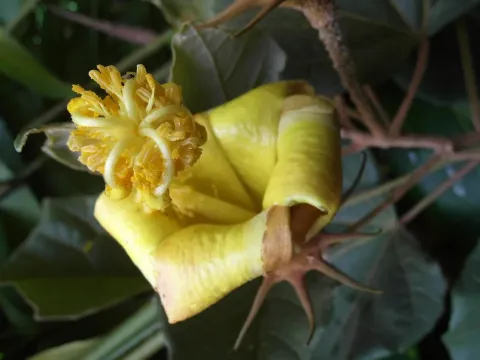
Hibiscus lasiococcus
Hibiscus lasiococcus
Sowing Hibiscus lasiococcus seeds requires well-warmed soil, ideally reaching temperatures of at least 18-20 degrees Celsius. In temperate climates, sowing should only occur after the last spring frost has passed.
What the section contains
Hibiscus lasiococcus
For regions with shorter growing seasons, starting seeds in greenhouses or indoors is recommended to give the plants a head start. This ensures that the plants are robust enough by the time they are transplanted into the open field.
Seeds are typically sown at a depth of 2-3 centimeters. Maintaining consistent moisture in the germination bed is critical for success, as uneven watering can significantly reduce emergence rates during the initial stage.
The spacing between rows should be maintained between 60 and 80 centimeters to ensure adequate room for plant growth and to facilitate mechanical weeding. Proper spacing also ensures effective airflow throughout the plantation.
Pre-treatment of seeds, such as soaking or brief stratification, can enhance germination energy. Using high-quality substrate and ensuring a stable temperature regime are key factors for achieving uniform stands.
As a member of the Malvaceae family, Hibiscus lasiococcus is highly sensitive to light availability. It performs best in full sunlight and should be planted in areas free from shading by trees or tall buildings.
The plant thrives in fertile, well-drained loamy soils. It has a low tolerance for waterlogged conditions, which can lead to root system decay and hinder overall plant development throughout the season.
Climate requirements include a long, warm growing season. The plant requires regular irrigation, particularly during the critical developmental phases of budding and flowering to maintain high productivity.
Wind protection is essential for this crop as strong gusts can cause physical damage to the stems. Establishing windbreaks or using supportive structures can prevent loss and keep the plants healthy during growth.
Fertilization should be managed carefully, with a focus on phosphorus and potassium during the reproductive phase. Avoiding excessive nitrogen application prevents an overabundance of foliage that could weaken the plant's resistance.
Common pests include aphids and spider mites, which are particularly prevalent during dry and hot weather. They feed on the sap of young leaves, causing stunted growth and reducing the plant's vitality.
Fungal diseases, such as powdery mildew, often arise in conditions of high humidity or poor ventilation. Implementing proper spacing and removing debris can help minimize the risk of these infections taking hold.
Integrated pest management, including the use of biological control agents, is recommended to manage infestations effectively. Chemical interventions should only be considered when pest levels threaten economic output.
Maintaining field hygiene is crucial for preventing the spread of diseases. Rotating crops helps break the cycle of soil-borne pathogens and preserves the soil health for future cultivation of Hibiscus species.
Regular scouting of the field is necessary for early detection of potential outbreaks. Rapid response to signs of disease, such as leaf discoloration or wilting, can prevent a localized issue from spreading.
Harvesting should take place when the fruit capsules have fully matured, indicated by a deep brown color. Waiting for the optimal time prevents seed loss due to the natural opening of the capsules.
For manual harvesting, carefully cut the stems near the base. When harvesting at scale, specialized equipment should be adjusted to operate gently to ensure the integrity of the seeds during the threshing process.
After initial collection, the capsules require a period of post-harvest drying in a well-ventilated, shaded area. This process ensures that the seeds reach the necessary moisture levels for safe storage.
Threshing is performed to separate the seeds from the chaff once the capsules are brittle. Careful mechanical handling helps to preserve the viability and shelf life of the seeds until they are needed.
Storage should be in cool, dry conditions with controlled humidity levels. Using breathable storage bags helps prevent molding and preserves the germination potential of the seeds for future planting seasons.