
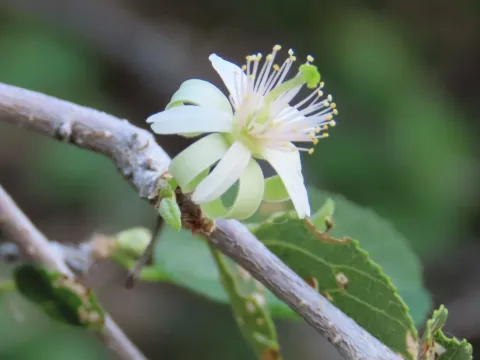
Grewia tenax
Grewia tenax
The propagation of Grewia tenax is primarily achieved through seeds, which should be sown immediately after harvesting in well-draining soil to ensure high germination rates. The ideal time for sowing is the beginning of the warm season when soil temperatures are consistently above 20°C.
What the section contains
Grewia tenax
Seeds require pre-treatment, such as scarification or soaking in water, to break the tough seed coat, which significantly speeds up the emergence of seedlings. In professional nurseries, seeds are sown in containers and transplanted to the field once the plants reach a robust developmental stage.
Vegetative propagation via cuttings is also possible but requires strict control over moisture levels and the use of rooting hormones. While slower than seed propagation, it allows for the preservation of desirable maternal traits in the offspring.
When planting in the field, it is crucial to provide ample space for the shrubs to develop, as they possess a wide-spreading canopy. A spacing of at least 2 to 3 meters between plants is recommended to ensure proper airflow and light exposure.
Young plants require regular irrigation during their first few months until their deep taproot system is established, enabling the shrub to access groundwater independently in arid conditions.
Grewia tenax is a classic xerophytic plant adapted to the harsh environments of African and Asian savannas and semi-deserts. As a member of the Malvaceae family, it demonstrates remarkable resilience to prolonged drought and environmental stress.
The plant thrives in full sunlight, as it requires high light intensity for optimal growth and fruit development. Any shade will inevitably result in lower yields and poorer fruit quality, making site selection critical for agricultural success.
It is not demanding regarding soil quality, as it grows well in stony, sandy, or loamy soils. Excellent drainage is the primary requirement for successful cultivation, as waterlogging is detrimental and leads to root rot.
Optimal temperatures for active growth range from 25°C to 35°C, and the plant easily tolerates the extreme day-night temperature fluctuations characteristic of desert regions, making it a sustainable choice for challenging climates.
Furthermore, Grewia tenax shows high tolerance to soil salinity, offering great potential for the reforestation and restoration of degraded lands where conventional crops would fail to survive.
Grewia tenax is valued for its edible fruits, which are small drupes that turn bright orange or dark red when ripe. Yield depends heavily on moisture availability during the growing season and the age of the shrub.
The berries possess a pleasant sweet-sour taste and are rich in essential vitamins and minerals, serving as an important nutritional resource in arid regions. With minimal fertilization and maintenance, domestic cultivation can significantly increase fruit yield compared to wild-growing specimens.
Beyond its culinary utility, the plant has industrial applications, as its bark and stems provide strong fibers used in basketry and rope making. This makes Grewia tenax a multifunctional resource for local communities.
Yield optimization is achieved through periodic pruning, which stimulates the growth of new fruit-bearing shoots. Providing small amounts of organic fertilizer can also contribute to larger fruit sizes and improved overall plant vigor.
Future prospects for this crop include the processing of fruits into jams, juices, and dried snacks, which can enhance the economic value of the harvested produce.
The most significant threats to Grewia tenax are root rot diseases, usually caused by improper irrigation techniques or poor soil drainage. Excessive moisture in the root zone is the most common cause of plantation failure.
Pests such as aphids and spider mites can infest young leaves during periods of extreme heat when the plant's natural defenses are strained. Regular monitoring is essential to identify and address infestations at an early stage.
Mechanical injuries to the trunk, often caused by grazing animals or machinery, can provide entry points for various fungal infections. Protective fencing is strongly recommended for newly established plantations.
Avoiding the overuse of nitrogen-based fertilizers is advised, as they can cause overly succulent tissue growth, making the plants more susceptible to sap-sucking insects.
- Maintain proper soil aeration to prevent root decay.
- Perform prophylactic pruning of dead or diseased branches.
- Implement weed control to minimize competition for moisture.
Harvesting is performed manually due to the delicate structure of the ripe fruit and the shrub's thorny nature. It is crucial to pick the berries at the correct stage of maturity to ensure maximum nutritional value and flavor.
Workers must wear protective gloves during the harvest to avoid injuries from the sharp spines frequently found on the branches. Proper tool selection can improve efficiency while reducing the risk of accidents.
Once harvested, the fruits must be processed or stored in a cool, well-ventilated area, as they have a short shelf life and are prone to rapid fermentation in hot climates.
Since fruit maturation is often uneven, several harvest passes are required throughout the season, necessitating a well-planned logistics strategy for collection and transportation.
Efficient post-harvest handling is critical to maintaining fruit quality and ensuring the profitability of Grewia tenax cultivation in a commercial context.