
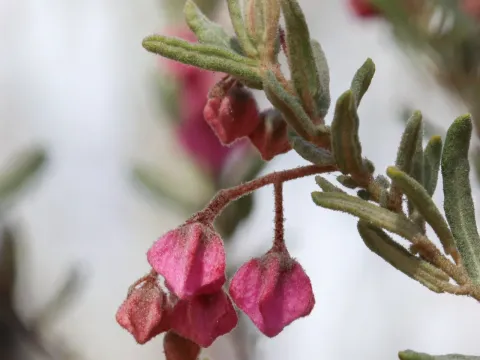
Guichenotia
Guichenotia J. Gay
Guichenotia is a genus of evergreen shrubs belonging to the Malvaceae family. Native to the southwestern regions of Australia, these plants have evolved to thrive in harsh, nutrient-poor environments with high exposure to sunlight and heat.
What the section contains

Guichenotia
Botanically, the plant is characterized by its distinct, often pendulous flowers and soft, greyish foliage. The leaves are typically covered in small hairs, an adaptation that helps the shrub retain moisture during the dry summer months common in its natural range.
Agricultural requirements focus heavily on soil drainage. Guichenotia demands sandy, porous soil to prevent water accumulation around the roots. If the drainage is poor, the plant becomes highly susceptible to physiological stress and root death.
Environmental preferences include full sun and a Mediterranean-style climate. The plant is remarkably drought-tolerant once established, requiring only minimal watering compared to traditional garden crops, which makes it an excellent candidate for water-wise landscaping.
Economically, Guichenotia serves a purely ornamental purpose. It is widely prized by landscape designers for its ability to add texture and unique floral interest to rock gardens and dry, sunny borders where other garden plants might struggle to survive.
The primary threat to the health of Guichenotia is pathogenic root rot caused by poor soil drainage. When the soil remains damp for extended periods, the root system fails, often leading to sudden wilting and the loss of the plant.
While generally hardy, the plants may occasionally host common pests like aphids during the peak of the growing season. Maintaining good air circulation and ensuring the plant is not overcrowded are the best preventative measures against these common garden infestations.