
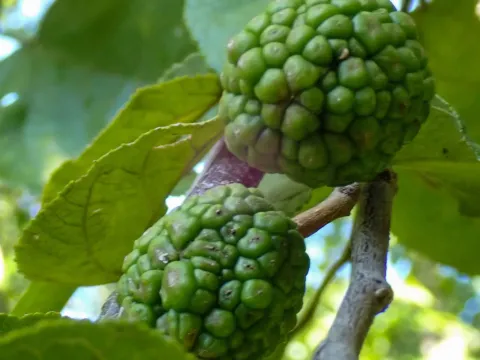
Guazuma
Guazuma
Guazuma (Guazuma ulmifolia), commonly known as the West Indian elm, is a medium-sized tree in the Malvaceae family. It is native to tropical America, extending from Mexico and the Caribbean down to Argentina and parts of South America.
What the section contains

Guazuma
The tree thrives in tropical climates characterized by distinct dry and wet seasons. It is highly adaptable to a range of soil types, including clay, sand, and limestone, showing remarkable resilience in degraded lands.
Guazuma is photophilic, requiring full sun exposure for healthy development. It typically grows at elevations ranging from sea level to 1,500 meters, displaying significant phenotypic plasticity based on its environment.
The establishment phase requires careful weed control to prevent suppression of seedlings. Once established, the tree exhibits a rapid growth rate, making it an excellent candidate for fast-production biomass systems.
Good agricultural practice involves regular pruning, which not only promotes a denser canopy for shade but also optimizes the annual yield of leaves and small branches used as forage.
The primary agricultural use of Guazuma is as a high-quality fodder tree. Its leaves and sweet, mucilaginous fruits provide essential nutrients for cattle and small ruminants during the dry season when pasture productivity declines.
The timber of Guazuma is prized for its durability and moderate hardness. It is widely used in rural construction, furniture making, and the production of tool handles, as it is relatively easy to work with.
In agroforestry systems, the tree is frequently used as a living fence or as a windbreak. Its deep root system stabilizes soil, playing a critical role in preventing erosion on hilly terrains.
The plant also has significant medicinal value. Bark extracts have been used in traditional medicine for their astringent and anti-inflammatory properties, providing secondary income potential for farmers.
As a source of biomass, the tree can be harvested for fuelwood or charcoal production, contributing to energy independence for rural households without threatening the long-term health of the stand.
Guazuma is generally robust, but it can be susceptible to defoliating insects that affect leaf quality. Maintaining biodiversity in the surrounding area often helps keep pest populations in check.
Fungal pathogens may cause leaf spots or bark cankers if planted in areas with poor drainage and stagnant air. Proper site selection and spacing are the best preventive measures.
Young saplings are vulnerable to herbivory by rodents and livestock. Providing physical protection during the first few years of growth is essential to ensure high survival rates in plantation settings.
While viruses are not a major concern for this species, maintaining rigorous phytosanitary standards when introducing new stock is recommended to prevent the accidental spread of pathogens.
Integrated Pest Management (IPM) practices, such as encouraging natural predators, are sufficient to handle most threats without the need for intensive chemical applications.