
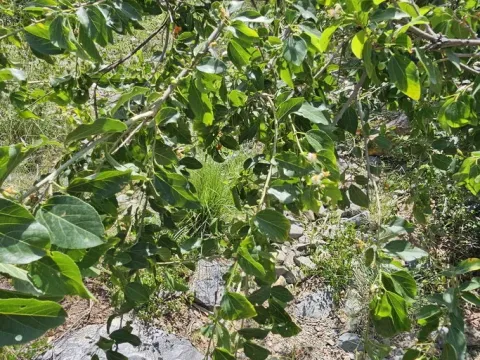
Grewia tembensis
Grewia tembensis
Grewia tembensis is a woody shrub or small tree belonging to the Malvaceae family, specifically within the Tilioideae subfamily. It is native to the East African highlands, with significant populations found in countries like Ethiopia and Eritrea, where it thrives in diverse ecological niches.
What the section contains
Grewia tembensis
This plant is biologically adapted to arid and semi-arid environments, exhibiting remarkable resilience to extreme heat and prolonged dry seasons. Its leaves often possess trichomes or pubescence, which act as a defense mechanism against water loss, allowing the plant to survive in harsh conditions.
Successful cultivation of Grewia tembensis requires well-draining, stony, or sandy soil. It is intolerant of waterlogged conditions, which can lead to rapid root decay. Therefore, selecting sites with natural slopes or elevated terrain is essential for maintaining plant health and longevity.
In terms of agricultural management, the species is relatively low-maintenance, requiring little supplemental irrigation once established. Regular pruning is recommended to encourage fruit production and maintain a shape that facilitates easier harvesting in commercial or semi-commercial setups.
The fruit of Grewia tembensis is a significant source of nutrition for local communities in its native range. Besides its edible properties, the plant plays a vital role in local agroforestry systems, providing forage for livestock, acting as a windbreak, and serving as a sustainable source of firewood and timber for small tools.
Common threats to Grewia tembensis include infestations by leaf-eating insects and, in poorly drained soils, susceptibility to various fungal root pathogens. Monitoring for early signs of defoliation or bark lesions is essential to implement timely control measures and ensure a healthy crop yield.