
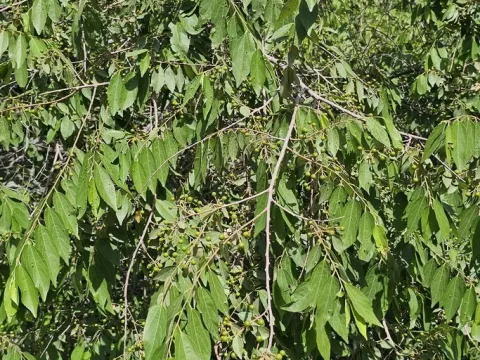
Grewia trichocarpa
Grewia trichocarpa
Grewia trichocarpa is a perennial woody shrub or small tree belonging to the Malvaceae family. This species originates from the tropical and subtropical regions of Africa, where it thrives in savannah environments, occupying various ecological niches within the forest-savannah mosaic.
What the section contains
Grewia trichocarpa
The plant demonstrates significant versatility regarding soil types, performing best in well-drained loamy or sandy soils. Proper soil aeration is crucial for its development, as the roots are sensitive to waterlogging, which can lead to rapid decay in heavy, compacted soils.
As a heliophilic species, Grewia trichocarpa requires abundant sunlight to maintain optimal growth rates and productive fruiting. Insufficient light exposure will result in sparse branching and poor fruit set, limiting the agricultural potential of the plantation.
The species shows moderate drought tolerance due to its physiological adaptations to arid environments. However, consistent irrigation during the peak growing season is recommended to ensure robust vegetative development and to support the maturation of the fleshy, nutrient-rich fruits.
The economic value of this crop lies primarily in its edible berries, which are harvested for local consumption and processing. Additionally, the wood is utilized by local communities for building durable, small-scale implements due to its density and resistance to environmental stress.
The health of Grewia trichocarpa stands is primarily compromised by fungal pathogens triggered by high humidity levels. Powdery mildew is a common concern that manifests as a characteristic white coating on the foliage, significantly hindering the plant's photosynthetic capacity.
Pests such as scale insects and aphids represent a significant threat to the plant's overall vigor. These sap-sucking organisms cluster on young, tender growth, causing chlorosis and weakening the plant to the point where it becomes more susceptible to secondary infections.
Spider mites are frequently encountered during prolonged dry spells when humidity is low. Their activity causes stippling on the leaves, which can lead to premature leaf drop if not managed through timely intervention and proper canopy management.
Effective pest and disease control requires a combination of cultural practices and targeted biological or chemical treatments. Maintaining appropriate spacing between trees is essential to promote air circulation, which naturally reduces the risk of fungal outbreaks.
Regular inspection of the orchard is necessary during the flowering and fruiting stages to identify early signs of infestation. Integrated pest management strategies should be employed to ensure that the yield remains safe for harvest and human consumption.