
Guichenotia
Guichenotia
Guichenotia is a genus of evergreen shrubs belonging to the Malvaceae family. Native to the southwestern regions of Australia, these plants are highly adapted to arid environments and sandy soil conditions.
What the section contains
Guichenotia
The plant requires full sun exposure to thrive and produce its signature flowers. In its natural habitat, it survives in nutrient-poor soils, meaning that excessive fertilization can often be detrimental to its overall health and development.
Well-drained soil is the most critical factor for successfully growing Guichenotia. Planting in heavy, water-retentive clay should be avoided, as the roots are highly susceptible to rot when exposed to stagnant moisture.
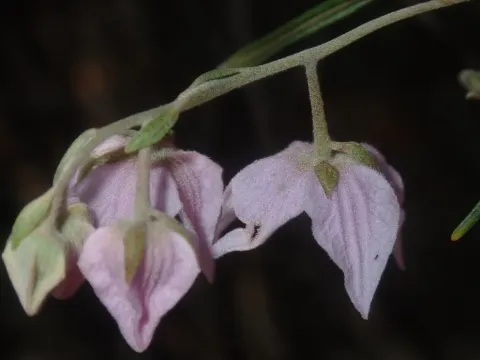
Botanically, Guichenotia is recognized for its unique foliage, which is often covered in fine, star-shaped hairs. Its flowers are typically pendulous, enclosed by petal-like bracts that remain vibrant long after the actual petals have withered.
As an ornamental plant, it is used in Mediterranean-style gardens, rockeries, and pots. It serves as an excellent feature shrub due to its structural appearance and year-round green foliage.
Root rot caused by Phytophthora species is the most significant threat to Guichenotia. Once the root system is compromised by prolonged wet conditions, the plant is extremely difficult to recover, making prevention the best strategy.
Common pests such as spider mites may infest the plant, especially in dry, warm conditions indoors. These pests can be controlled through consistent misting or the application of insecticidal soaps if the infestation becomes severe.
Nutrient deficiencies, particularly iron chlorosis, can occur if the soil pH is too high or if the substrate is improperly balanced. Adjusting the soil acidity is essential for maintaining the deep green color of the leaves.
Overcrowding in a garden setting can limit airflow, creating a humid microclimate that encourages powdery mildew. Providing sufficient space between specimens is a standard practice to ensure healthy growth.
Physical damage to the root system during weeding or transplanting can serve as an entry point for soil-borne pathogens. Gardening tasks should be performed with caution to avoid disturbing the sensitive shallow roots.