
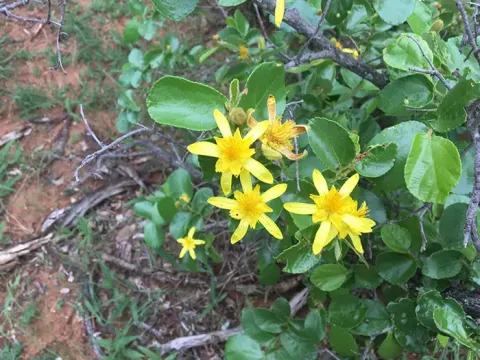
Grewia hexamita
Grewa hexamita
Grewia hexamita is a resilient woody shrub or small tree belonging to the Malvaceae family. It is recognized for its adaptability to challenging environments and is widely known as a valuable species in African savanna ecosystems.
What the section contains
Grewia hexamita
The plant originates from Southern Africa, naturally inhabiting regions across Botswana, Namibia, and South Africa. It thrives in open woodlands and rocky areas where other vegetation may struggle to survive.
Regarding soil requirements, Grewia hexamita prefers well-drained, sandy to loamy soils. Its root system is deep and efficient at extracting nutrients from the soil, allowing it to grow in nutrient-poor substrates.
The climate must be tropical or subtropical, characterized by warm temperatures throughout the growing season. The plant requires significant sunlight to maintain its vigor and produce fruit.
Though it is drought-tolerant, optimal growth is observed when there is a moderate seasonal rainfall period, ensuring the plant establishes its canopy effectively before the dry season begins.
The fruit of Grewia hexamita is a significant nutritional resource, commonly consumed fresh or processed into preserves, jellies, and traditional fermented beverages by local communities.
The wood is highly valued for its toughness and durability. It is frequently utilized in the creation of agricultural tools, walking sticks, and various household objects that require structural strength.
Phytochemical studies indicate that parts of the plant, including leaves and roots, possess medicinal properties, including antibacterial and analgesic effects, which are utilized in traditional medicine.
The species serves as a vital ecological component, acting as a productive honey plant. Its flowering phase supports high populations of pollinators, which enhances the productivity of surrounding flora.
In agroforestry systems, Grewia hexamita is utilized for soil stabilization and wind protection, helping to conserve topsoil in areas prone to desertification and erosion.
Fungal pathogens can occasionally affect the plant in high-humidity conditions, particularly if air circulation is obstructed by dense canopy foliage or lack of proper pruning.
Sucking insects, such as aphids and scale insects, may cause minor infestations. These pests primarily target young, succulent shoots, necessitating regular monitoring during the active growth phase.
Herbivory by wild mammals is a primary threat in rural settings. Protecting young trees from browsing animals is essential to ensuring the survival and long-term viability of the plantation.
Root system health can be compromised by waterlogging, which creates conditions favorable for soil-borne pathogens. Adequate drainage is a foundational requirement for successful cultivation.
Effective management includes regular sanitary maintenance, such as removing dead or dying branches, to maintain tree vitality and reduce the risk of secondary disease outbreaks.