
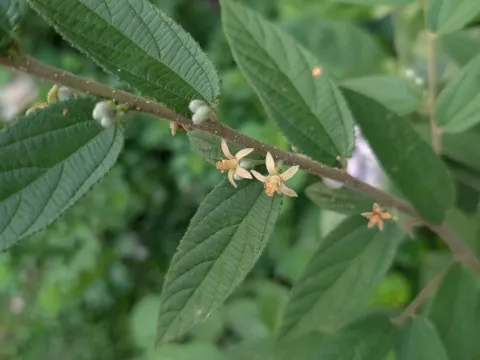
Grewia hirsuta
Grewia hirsuta
Propagation of Grewia hirsuta is typically achieved through seeds or vegetative cuttings. The optimal time for sowing seeds is during the spring season when soil temperatures reach 20–25 degrees Celsius, promoting rapid germination.
What the section contains
Grewia hirsuta
Successful germination often requires seed scarification or stratification, as the tough outer seed coat can inhibit water absorption. When sowing in a nursery or greenhouse, it is crucial to ensure consistent moisture and bright, indirect light for the developing seedlings.
Cuttings should be taken in early summer, utilizing semi-hardwood segments of current-season growth. Using rooting hormones on these cuttings can significantly improve success rates when planting into well-drained growing media.
When transplanting to a permanent location, spacing of at least 1.5 to 2 meters is recommended to account for the shrub's natural lateral growth. Early establishment phases require consistent weeding to prevent competition for essential soil nutrients.
Proper soil preparation is paramount; the substrate must be loose and well-drained. Grewia hirsuta is sensitive to waterlogging, which can cause root decay if the drainage is inadequate during the initial establishment phase.
Grewia hirsuta belongs to the Malvaceae family and is a native inhabitant of tropical and subtropical ecosystems. It is primarily found across South and Southeast Asia, notably within the landscapes of India and Nepal.
This species thrives in sunny environments with well-aerated sandy or loamy soils, preferring a neutral to slightly acidic pH range. While the shrub exhibits some drought tolerance, it requires supplemental watering to maximize vegetative growth during dry seasons.
Climatic requirements include high ambient temperatures and a frost-free environment. In temperate regions, the plant may require greenhouse protection or relocation to a controlled temperature environment during the winter months.
Botanically, it is a deciduous shrub that can grow up to 2–3 meters in height, characterized by dense, fine hairs covering the stems and leaves, which gives the plant its distinct "hirsute" or shaggy appearance.
The fruit is a small, succulent drupe that turns dark upon maturity. These fruits are valued for their biological properties and have been utilized in traditional regional practices for both nutritional and medicinal purposes.
The economic and practical utilization of Grewia hirsuta spans both the pharmaceutical sector and local food traditions. Roots, bark, and fruits are frequently harvested for use in decoctions and traditional medicines to address digestive and inflammatory concerns.
Harvesting of the fruit is done manually once they are fully ripe and have reached their characteristic dark color. Care must be taken during collection, as the fruits are delicate and prone to mechanical damage during transport.
The medicinal bark and roots are typically harvested during the plant's dormant phase, ensuring the highest concentration of phytochemicals. After collection, these materials are dried in shaded, well-ventilated areas to maintain quality.
The foliage can also be harvested for use as fodder in arid regions, providing a sustainable supplement for livestock. This dual-purpose utilization highlights the plant's value in integrated agro-forestry systems.
Proper storage is essential for the harvested produce. Since the fruit is highly perishable, it is often processed immediately into dried products, syrups, or jams to extend its shelf life.
Common threats to Grewia hirsuta include fungal diseases, which are typically exacerbated by poor air circulation and excessive soil moisture. Powdery mildew and various leaf spot diseases are frequently observed in poorly managed stands.
Pests such as spider mites and aphids can infest young shoots, potentially stunting growth. Frequent monitoring of the foliage is necessary to detect and manage these insect populations before they reach economic damage thresholds.
Integrated pest management strategies, focusing on biological controls and preventative cultural practices, are preferred. If chemical intervention is necessary, the use of systemic fungicides or insecticides should strictly follow regional safety guidelines.
Maintaining soil fertility is critical for plant vigor, as nutrient-depleted soils render the shrub more susceptible to pathogenic attacks. Regular application of compost or organic fertilizers helps boost the plant's natural immune system.
Sanitary pruning of dead, diseased, or damaged branches is a standard practice to reduce infection risks. By improving light penetration and airflow, these maintenance tasks create an unfavorable environment for many common garden pests.