
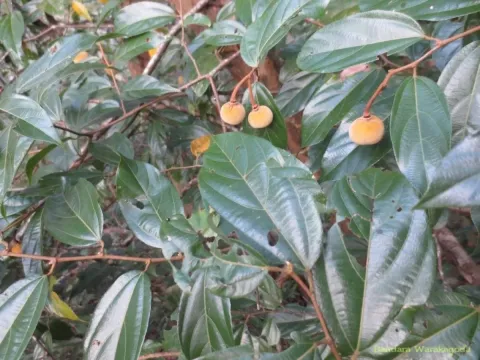
Grewia carpinifolia
Grewia carpinifolia
Grewia carpinifolia is primarily propagated through seed germination or vegetative cuttings in nursery environments.
What the section contains
Grewia carpinifolia
The optimal time for sowing is the onset of the rainy season, which provides the necessary humidity for successful germination.
Seeds often require scarification to break their hard seed coat, which significantly improves the germination rate.
Cuttings should be taken during the active growing season, utilizing semi-hardwood stems for better root development.
Young plants are transplanted to their permanent locations once they reach a sturdy size, typically around 30–40 centimeters in height.
Belonging to the Malvaceae family, this species is a tropical evergreen shrub native to various regions of West and Central Africa.
It thrives in full sunlight or partial shade and requires fertile, well-drained soil rich in organic matter to reach full potential.
The plant is highly sensitive to cold and requires a consistent tropical climate to survive and produce healthy foliage.
While it shows some tolerance to temporary moisture deficits, regular irrigation is crucial for maintaining rapid growth rates.
A soil pH ranging from slightly acidic to neutral is ideal for supporting the nutrient uptake required by this tropical shrub.
Common pests affecting Grewia carpinifolia include spider mites and aphids, which frequently target tender new leaves.
Leaf-eating insects can cause significant damage to the plant, necessitating regular monitoring and integrated pest management practices.
High humidity combined with poor air circulation can foster fungal infections, leading to leaf spots and potential decay.
Preventative measures include proper spacing between plants and ensuring that the foliage stays dry during stagnant weather conditions.
Biological control agents and organic-based insecticides are recommended for handling infestations without disrupting the local ecosystem.
The plant is valued for its bark and leaves, which are extensively used in traditional medicine for various therapeutic applications.
Harvesting of the vegetative parts is typically scheduled during the peak growth cycle to ensure high concentrations of active compounds.
The stems of the plant provide durable fibers often used for weaving and creating traditional household tools or baskets.
The fruits of Grewia carpinifolia are edible and considered a supplemental food source for local communities in its native range.
Post-harvest processing involves drying the plant material in shaded, well-ventilated areas to prevent spoilage and maintain quality.