
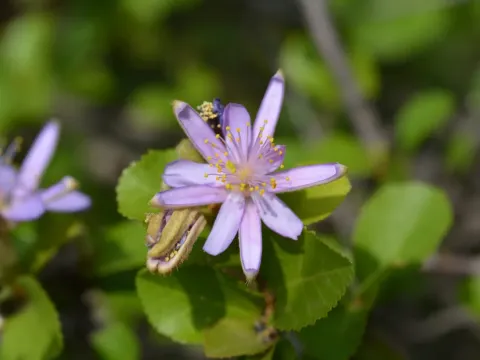
Grewia caffra
Grewia caffra
Grewia caffra is a versatile shrub belonging to the Malvaceae family. Native to South Africa, it is widely recognized for its robust nature and adaptability to various soil types, particularly thriving in well-drained loamy soils found in its natural habitat.
What the section contains
Grewia caffra
The plant features glossy foliage and distinctive yellow flowers, which bloom throughout the warmer months. As a perennial species, it provides a permanent lush green structure in tropical and subtropical gardens, functioning both as an ornamental hedge and a source of edible berries.
Climatic requirements are specific to its origin; it prefers warm, frost-free environments but can tolerate occasional dry spells due to its inherent drought resistance. Full sun exposure is ideal for maximum flower production and fruit development.
Agricultural management requires consistent, though moderate, watering regimes. Pruning is essential to maintain the desired shape and size, as the plant can develop a sprawling, vine-like habit if left unmanaged by the gardener.
Economically, Grewia caffra is valued for its fruits, which are processed into jams and sweet preserves. Its ability to attract biodiversity makes it a favorite among conservation-minded horticulturists seeking to support local pollinator populations.
Grewia caffra is generally resistant to many pests; however, it can occasionally be affected by aphids during the rapid growth phase of spring. Monitoring the underside of leaves can help detect early infestations.
Fungal issues such as powdery mildew may develop if the plant is situated in a stagnant, humid microclimate. Improving air circulation around the canopy is the most effective cultural control measure.
Root rot is a major threat if soil drainage is inadequate. Ensuring that the planting site has deep, porous soil prevents the accumulation of water, which is the primary cause of decline in healthy specimens.
Integrated Pest Management (IPM) practices are highly encouraged when cultivating this species. Using beneficial insects to control aphid populations is often sufficient for home gardeners.
Regular sanitation, including the removal of fallen debris and deadwood, reduces the likelihood of overwintering pathogens. Keeping the base of the shrub clean contributes to the overall longevity of the plant.