
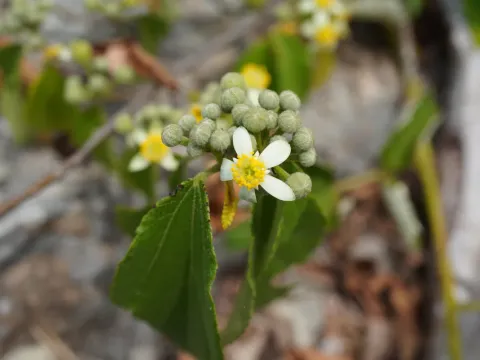
Grewia biloba
Grewia biloba
Propagation of Grewia biloba is primarily achieved through seeds or stem cuttings. Seeds require a period of stratification to improve germination rates, and they should be sown in a well-draining seed-starting mix.
What the section contains
Grewia biloba
Cuttings are often preferred for cloning desirable traits of a mother plant. Semi-hardwood cuttings should be taken in the summer and placed in a greenhouse with high humidity to encourage root development.
The choice of soil is critical for initial growth. A mix containing peat and perlite works best, as it provides adequate moisture retention while ensuring the oxygenation of the roots.
Young plants need protection from extreme temperatures and direct scorching sun during their first growing season. Consistent moisture is necessary for the seedlings to establish a strong root system.
Transplanting into the permanent garden site should occur once the threat of frost has completely passed. Well-prepared holes with compost amendments help the plant adapt more quickly to its new environment.
Grewia biloba belongs to the Malvaceae family and is known for its elegant, deciduous nature. Originating from East Asia, this shrub is valued for its unique foliage and delicate blooms.
The plant thrives in locations that receive full sun for the majority of the day, with light afternoon shade preferred in warmer climates. Fertile, loamy soil with a neutral pH level is ideal.
While relatively hardy, the plant benefits from winter protection in cooler zones. Adding a layer of mulch around the base of the shrub helps regulate soil temperature and protects the root zone.
Watering schedules should be adjusted based on seasonal rainfall. It is essential to ensure that the soil drains well, as waterlogged conditions can be detrimental to the long-term health of the shrub.
Annual pruning is a key aspect of maintenance. By removing old or unproductive wood, you encourage the plant to direct its energy into new, flowering growth for the upcoming season.
In terms of хозяйственное (economic) use, Grewia biloba is primarily utilized in ornamental landscaping and traditional botanical medicine. It serves as an excellent specimen plant or hedge material.
Parts of the plant are recognized in traditional Eastern practices for their potential health-promoting properties. The foliage and extracts are sometimes studied for their bioactive compound content.
For medicinal use, leaves are harvested during the peak of the growing season. Proper drying techniques are essential to preserve the integrity of the essential oils found within the plant tissue.
While the fruit is edible, it is rarely grown for large-scale agricultural food production. Instead, it remains a specialty plant for enthusiasts interested in exotic shrub species and native botanical varieties.
Overall productivity, whether ornamental or otherwise, relies on regular fertilization. A balanced NPK fertilizer applied in early spring helps the shrub achieve its full growth potential during the season.
Aphids are the most common pests affecting Grewia biloba, often clustering on new growth. Management usually involves insecticidal soaps or the introduction of natural predators like ladybugs.
Spider mites can become an issue if the environment is too dry. Regular misting and maintaining proper soil moisture levels are effective preventative measures against these tiny arachnids.
Powdery mildew is a fungal disease that thrives in humid, stagnant conditions. Improving airflow through strategic pruning is the most effective way to keep this disease in check throughout the year.
Root rot caused by excessive soil moisture remains a significant risk. Ensuring that the planting site has excellent drainage is the primary defense against such persistent soil-borne pathogens.
Vigilant inspection of the plant's leaves and branches is necessary for early detection of issues. Removing any symptomatic parts promptly can prevent the spread of infections to the rest of the shrub.