
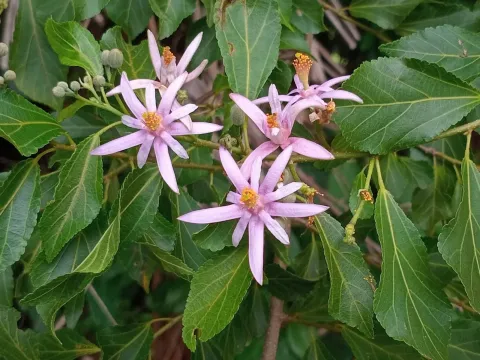
Grewia
Grewia
Grewia propagation is typically achieved through seeds or stem cuttings. Seed coat scarification is often required to ensure uniform and rapid germination rates.
What the section contains
Grewia
Sowing in seedbeds should occur during the spring, maintaining a soil temperature between 20 and 22 degrees Celsius for optimal seedling development.
Stem cuttings are a preferred method to maintain genetic consistency, using semi-hardwood segments planted in a well-aerated sandy peat substrate.
Once the root system is well-established, young saplings are transplanted into larger pots or open ground, ensuring adequate spacing for mature growth.
As a member of the Malvaceae family, Grewia plants require careful attention to lighting and spacing during their initial growth stages to prevent crowding.
Grewia is a heat-loving crop originating from tropical regions, necessitating at least six to eight hours of direct sunlight daily for healthy production.
The soil must be fertile and exceptionally well-drained, as waterlogging is a primary factor in root system decline for this specific genus.
Optimal growth occurs in temperature ranges between 22 and 30 degrees Celsius; protection from frost is essential as most species are not cold-tolerant.
Irrigation must be adjusted seasonally, with increased water delivery during the peak growing phase and reduced watering during the dormant winter months.
Regular fertilization with balanced nutrients supports vigorous foliage production and high-quality fruit development throughout the active season.
Grewia fruits, often referred to as star apples or crossroads berries, are highly valued for their nutritional density, including essential vitamins and minerals.
Yield capacity improves with plant maturity; consistent pruning is required to encourage the development of lateral branches where fruit sets most abundantly.
The culinary applications are diverse, ranging from fresh consumption to the production of jams, juices, and various traditional fermented beverages.
Beyond its fruit-bearing capabilities, some Grewia species are cultivated as ornamental assets due to their attractive flowers and dense foliage.
Industrial interest in Grewia also includes the extraction of fibers from the bark and the use of its components in traditional medicine preparations.
The primary pests affecting Grewia include spider mites and mealybugs, which thrive in environments where air humidity levels are poorly managed.
Root rot is the most common disease, caused by persistent soil saturation which compromises the structural integrity of the plant's root system.
Integrated pest management, including the use of neem oil or soft soap solutions, is highly recommended to control early infestations without chemicals.
Maintaining adequate air circulation around the canopy is a critical preventive measure against the development of powdery mildew and fungal infections.
Early identification of pest stress is crucial; inspect the underside of leaves weekly to prevent the rapid spread of localized infestations.
Harvesting Grewia fruits is a delicate process requiring manual collection to preserve the texture and quality of the skin and internal pulp.
Fruits should be harvested only when they reach full maturity, indicated by specific color changes and a slight softness when gently pressed.
Because the fruits have a short shelf life, it is advised to process or market them immediately after harvest to ensure maximum freshness.
Sequential harvesting allows the tree to continue producing fruit over an extended period, provided the nutrient and water levels remain stable.
Post-harvest, the fruits should be stored in cool, ventilated conditions to minimize degradation and extend their viability for commercial sales.