
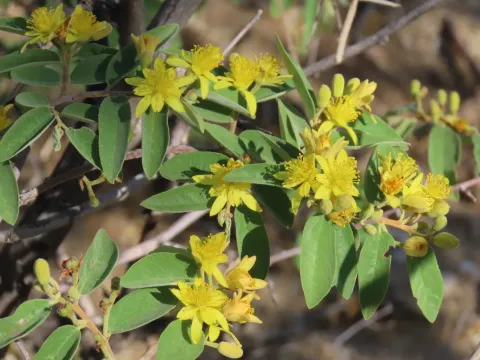
Grewia bicolor
Grewia bicolor
Grewia bicolor, a member of the Malvaceae family, is a versatile woody plant native to the arid and semi-arid regions of Africa and parts of the Middle East. It typically manifests as a shrub or a small tree adapted to harsh climatic conditions found in savanna ecosystems.
What the section contains
Grewia bicolor
The plant thrives in well-drained, sandy, or rocky soils and exhibits a remarkable ability to withstand prolonged drought. Proper development requires full sun exposure and warm temperatures, as the species is highly intolerant of frost or extreme cold, which can significantly damage its growth cycle.
Botanically, the plant is recognized by its leaves, which feature a dark green upper surface and a pale, stellate-pubescent underside, helping to reduce transpiration. The flowers are small and yellow, providing nectar for pollinators, followed by small drupes that are utilized by wildlife.
In agricultural practice, Grewia bicolor is primarily valued as an essential browse species. Its foliage is highly nutritious for livestock, particularly during the dry season when other forage options are scarce. This makes it a crucial plant for rural agroforestry systems.
Beyond forage, the plant serves environmental and construction purposes. Its root system is effective in stabilizing soils against erosion, and the flexible, durable wood is often utilized for manufacturing handles, poles, and other small-scale agricultural tools in local communities.
While generally hardy, the plant can be susceptible to defoliating caterpillars and various sap-sucking insects that affect the succulent new growth. In addition, fungal leaf spots may occur in environments with poor air circulation or stagnant humidity, necessitating the pruning of dense canopies to maintain tree health.