
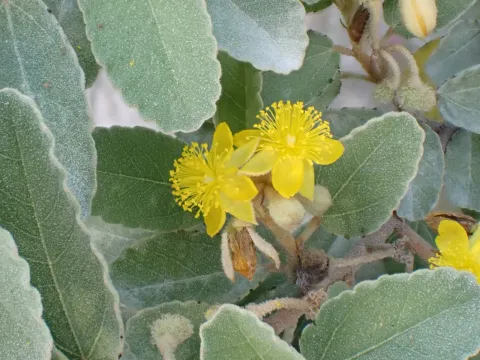
Corchorus hirsutus
Corchorus hirsutus
Corchorus hirsutus is a resilient plant species within the Malvaceae family, adapted to warm tropical and subtropical environments. Sowing generally takes place at the onset of the rainy season to capitalize on moisture availability for initial growth.
What the section contains
Corchorus hirsutus
The selection of the sowing site is critical, as the crop requires full sun exposure throughout its development. Any form of shading significantly impacts the fiber quality and the overall height of the plant stems.
Soil preparation involves creating a fine tilth, which is essential given the small size of the seeds. Seeds should be sown at a shallow depth of approximately 1 to 2 centimeters to ensure successful germination and emergence.
Sowing density is determined by the intended end-use of the crop. Higher plant populations per square meter are preferred when the goal is to produce long, thin, and non-branching stems suitable for fiber extraction.
Post-sowing management includes keeping the seedbed weed-free during the first few weeks, as young plants are highly sensitive to competition from aggressive pioneer weed species.
The climatic requirements for Corchorus hirsutus are centered around high temperatures and consistent warmth. It thrives in regions where the average daily temperature remains between 25 and 30 degrees Celsius during the growing season.
Regarding soil preferences, the plant shows strong performance in well-drained, fertile loamy soils. It avoids waterlogged areas, which quickly cause root decay and hinder the plant's ability to develop a robust stem system.
The soil pH should ideally remain within the neutral to slightly acidic range. In overly alkaline soils, the plant may exhibit micro-nutrient deficiencies, leading to chlorosis and stunted vertical growth.
Water availability is crucial during the active growth phase, which typically lasts for several months. While the plant can tolerate short intervals of dry weather, extended drought reduces fiber elasticity.
Fertilization with balanced nitrogen and potassium sources helps in promoting vigorous vegetative growth. However, excessive nitrogen application must be avoided towards the end of the cycle to allow for proper lignification of the stems.
A primary biological threat to the crop includes various lepidopteran larvae that feed on the foliage. Heavy defoliation reduces the photosynthetic capacity of the plant and limits the accumulation of biomass in the stem.
Fungal pathogens such as stem rot can pose a significant risk, especially in regions with high humidity. These diseases weaken the structural integrity of the fibers, making the harvested product less durable and commercially less valuable.
Sucking insects, including aphids and whiteflies, are frequent pests. They cause damage not only by extracting plant fluids but also by transmitting viruses that lead to curled leaves and erratic growth patterns.
Root-knot nematodes can become a major issue in fields that are continuously cropped with fiber plants. These pests cause galls on the roots, severely affecting the plant's nutrient and water uptake capabilities.
Effective management strategies incorporate Integrated Pest Management (IPM), including the use of trap crops and the selection of disease-resistant varieties when available to minimize chemical dependence.