
Corchorus
Corchorus
Sowing Corchorus requires warm soil temperatures, ideally between 18°C and 25°C. Since it is a heat-loving tropical crop, planting should only begin once the risk of cold snaps or late frosts has completely passed.
What the section contains


Corchorus
The seeds are typically sown in rows with a spacing of 15 to 20 cm to encourage the plants to grow tall and slender, which is crucial for high-quality fiber production with minimal branching.
Sowing depth is shallow, usually ranging from 1 to 2 centimeters. Ensuring uniform soil moisture after sowing is vital for rapid germination, often achieved by rolling the field immediately after seeding.
High seed density is intentional in commercial farming, as it forces the plants to compete for sunlight, resulting in longer, stronger stems that are easier to harvest and process into fiber.
Weed control during the initial weeks is critical. As Corchorus develops slowly in the first stage, protecting the young seedlings from competition is essential for overall crop success.
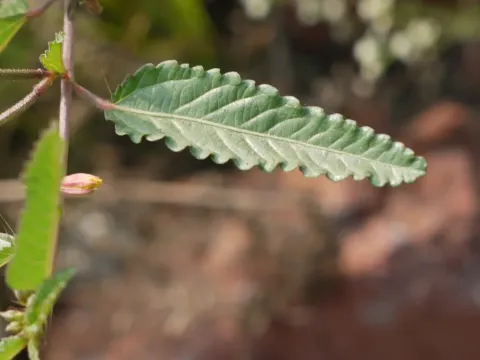
Corchorus, a genus within the Malvaceae family, is widely cultivated as a source of bast fiber, commonly known as jute. It thrives in tropical climates where high temperatures remain consistent throughout the growing season.
The crop demands a humid environment with regular rainfall or controlled irrigation. It grows best in temperatures between 25°C and 35°C, as cooler weather significantly restricts plant height and fiber development.
Soil requirements for Corchorus involve deep, fertile, and well-drained loamy soils. Alluvial soils, common in river deltas, are considered ideal for this crop due to their nutrient richness and moisture-holding capacity.
Proper drainage is as important as water supply; the crop does not tolerate waterlogging, which can promote root diseases and negatively affect the quality of the bast fibers.
As a light-demanding crop, it performs poorly under shade. Adequate spacing and site selection are necessary to ensure that every plant receives sufficient sunlight for optimal photosynthetic activity.
The yield of Corchorus is measured in tons of raw stems per hectare. Under optimal agronomic conditions, growers can achieve 15 to 25 tons of biomass, which is later processed to extract the fiber.
The conversion rate from green stem to dry fiber is influenced by the harvest timing and the variety used. Effective management of fertilization, particularly nitrogen, is key to maximizing biomass without compromising fiber structure.
Advanced agricultural practices, such as the use of high-yield varieties and balanced NPK fertilizer application, have significantly boosted productivity in modern farming operations.
Proper plant population density contributes to higher yields per unit area, as it increases the number of harvestable stems per square meter while keeping the individual stem diameter uniform.
Regular monitoring of growth stages allows producers to predict yields accurately and prepare the necessary facilities for fiber processing well in advance of the harvest date.
Corchorus is susceptible to various fungal diseases, especially in areas with poor airflow and high humidity. Stem rot and root rot are among the most prevalent threats that can devastate an entire field if left unchecked.
Insects such as leaf-eating caterpillars and aphids pose a significant risk, as they consume the foliage and stunt plant growth, leading to reduced fiber quality and lower biomass output.
Integrated Pest Management (IPM) is the recommended strategy, combining crop rotation, the use of pest-resistant cultivars, and targeted application of insecticides only when necessary.
Ensuring that seeds are treated with appropriate fungicides before planting helps mitigate early-season soil-borne pathogens, giving the crop a healthier start.
- Fungal stem and root rot.
- Leaf-eating lepidopteran larvae.
- Aphids and plant bugs.
- Nematodes in degraded soil.
The harvesting of Corchorus occurs at the flowering stage. At this point, the fiber is at its peak quality, balancing strength, length, and flexibility before the plant enters the reproductive phase that hardens the stem.
Harvested stems are tied into bundles and subjected to a process called retting. Retting utilizes water-based microbial fermentation to break down the pectin that binds the fiber to the woody core of the plant.
After retting, the fiber is stripped, washed thoroughly, and dried in the sun. This stage is crucial, as improper drying can lead to discoloration or the growth of mold on the fibers.
Modern mechanization has introduced harvesting machines that cut and bundle the stems efficiently, reducing the heavy reliance on manual labor that was historically associated with jute farming.
Quality control during the post-harvest period is vital to ensure the fiber retains its natural luster and high tensile strength, which are the primary indicators of its commercial value.