
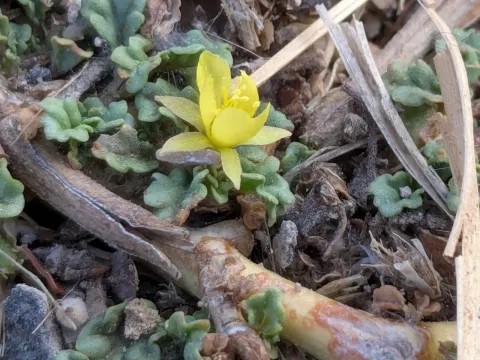
Corchorus depressus
Corchorus depressus
Corchorus depressus is a perennial subshrub belonging to the Malvaceae family. It is a prostrate, low-growing plant specifically adapted to harsh arid environments where most agricultural crops would perish.
What the section contains
Corchorus depressus
The native range of this species extends across the arid belts of North Africa, the Middle East, and South Asia. It is frequently observed in sandy, gravelly, and rocky habitats where it plays an important role in soil stabilization against wind erosion.
Growth requirements emphasize well-drained, nutrient-poor, and sandy soils. The plant is remarkably tolerant to salinity and high alkalinity, making it an excellent candidate for the rehabilitation of marginal lands that are unsuitable for conventional farming.
The climate requirements include high solar irradiance and significant heat, as the plant thrives in temperatures exceeding 30-35 degrees Celsius. It exhibits a high degree of physiological plasticity, allowing it to remain dormant during drought and rapidly regenerate after rainfall.
Agricultural use is primarily focused on fiber extraction. The stems provide strong, durable fibers traditionally used for making ropes, twine, and rustic floor coverings. Furthermore, it serves as a critical browse species for livestock, particularly camels, in desert nomadic pastoral systems.
The primary threats to Corchorus depressus include various insect pests, particularly lepidopteran larvae, which can defoliate large sections of the plant population during the active growing season.
Root rot and fungal infections are the most common pathological issues, typically occurring if the plant is grown in areas with poor drainage or during prolonged periods of uncharacteristic rainfall.