
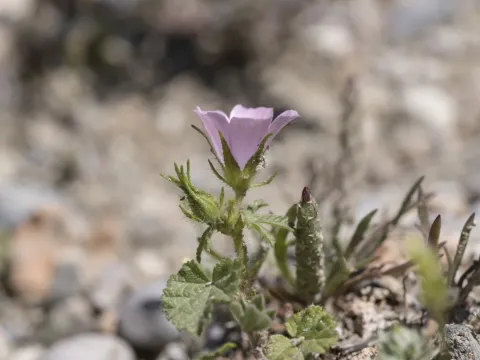
Cretan mallow
Malva cretica
Cretan mallow, a member of the Malvaceae family, is an annual herbaceous plant that requires a specific approach to its cultivation cycle to ensure vigorous growth.
What the section contains
Cretan mallow
Sowing in open soil is recommended during the spring season once the soil has warmed up to at least 12-15 degrees Celsius to facilitate quick and uniform germination.
For colder climates, the seedling method is preferred, starting seeds in containers indoors approximately 4 to 6 weeks before the last frost date to ensure strong plant establishment.
Seeds should be planted at a shallow depth of approximately 1-2 centimeters, maintaining adequate spacing of 30-40 centimeters to allow for optimal airflow and prevent overcrowding.
The germination process is generally efficient provided that the substrate remains consistently moist but not waterlogged during the initial two-week development phase.
Originating from the Mediterranean region, this crop thrives in environments characterized by long, sunny days and moderate temperatures throughout the growth season.
The ideal soil conditions for Malva cretica include well-draining, fertile loams with a neutral to slightly alkaline pH level to support optimal nutrient uptake.
While the plant exhibits moderate drought tolerance, consistent and moderate irrigation is essential during prolonged dry spells to maintain high levels of vegetative vitality.
Full sun exposure is a mandatory requirement for this species, as shading can lead to elongated, weak stems and a significant reduction in flower production.
Proper site selection is crucial; farmers should prioritize locations that are protected from intense prevailing winds to avoid potential structural damage to the stems.
The plant is susceptible to various fungal pathogens, with leaf rust being the most common issue, especially in environments with high humidity and poor air circulation.
Pests such as aphids and spider mites can cause significant damage to tender foliage, reducing the overall photosynthetic capacity and vigor of the mallow plants.
Effective management strategies include the prompt removal of infected plant debris to break the disease cycle and the application of fungicides when conditions are favorable for fungal spread.
Regular monitoring of the plants, particularly during warmer, humid weather, allows for early detection of pest infestations before they reach economic damage thresholds.
- Applying organic or synthetic fungicides during high-risk humidity periods.
- Managing irrigation systems to prevent overhead watering of foliage.
- Implementing crop rotation cycles to reduce soil-borne pathogen pressure.