
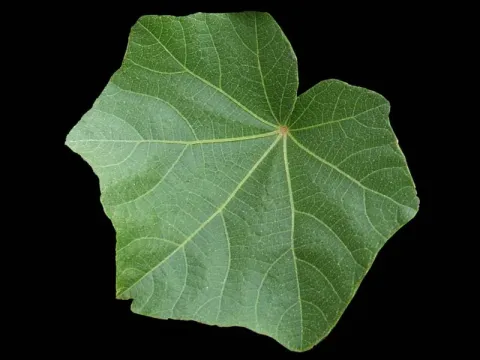
Columnar hibiscus
Hibiscus columnaris
Columnar hibiscus (Hibiscus columnaris) is a perennial woody shrub belonging to the Malvaceae family. It is characterized by its distinct vertical growth habit, which results in a narrow, pillar-like canopy. This structural feature makes it a highly valued plant for formal garden landscapes and narrow planting beds where space is limited.
What the section contains
Columnar hibiscus
Originating from tropical and subtropical climates, this species thrives in environments with consistent warmth and high solar radiation. To achieve optimal growth, Hibiscus columnaris requires a site that provides at least six to eight hours of direct sunlight per day, which ensures healthy foliage development and consistent blooming cycles.
The plant performs best in well-draining, loamy soils rich in organic matter. A slightly acidic to neutral soil pH is preferred to ensure proper nutrient uptake, specifically iron and magnesium. Growers should avoid heavy clay soils that retain excessive water, as stagnant moisture promotes root rot and impairs overall plant vigor.
Agricultural management requires careful attention to irrigation, especially during the peak of summer when transpiration rates are highest. Using a balanced fertilizer with trace elements helps maintain the shrub's vibrant color and supports its structural integrity against heavy winds, despite its dense columnar form.
Pruning is an essential agrotechnical practice for this species. Unlike sprawling varieties, the columnar hibiscus needs selective trimming of lateral shoots to maintain its iconic shape. This should be performed during the dormant season or immediately after the main flowering flush to encourage vigorous new growth for the next season.
The primary pests affecting this crop include aphids, whiteflies, and spider mites, which can cause significant stress to the plant. Integrated pest management (IPM) strategies, including the use of horticultural oils and predatory insects, are recommended to maintain plant health without disrupting the garden ecosystem.