
Ceiba samauma
Ceiba samauma
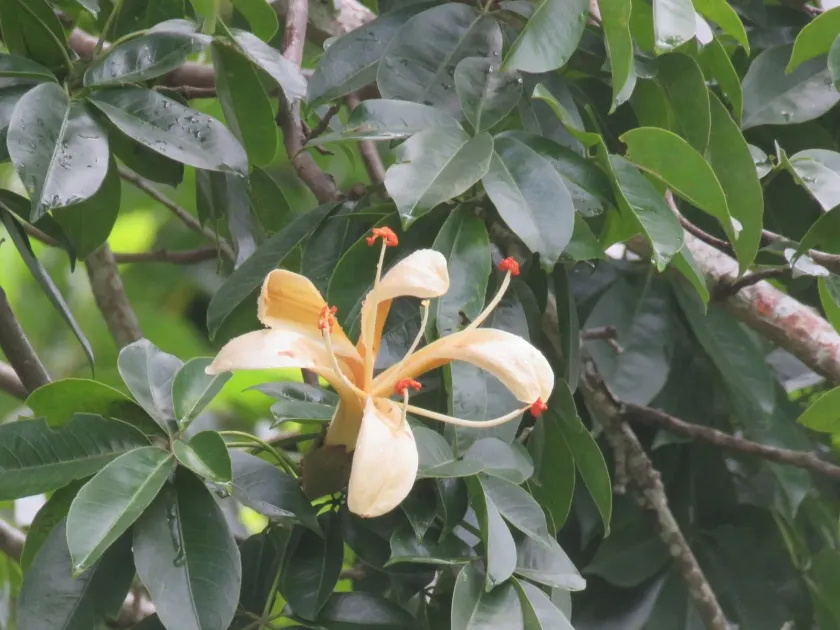
Description
Growing requirements
Ceiba samauma is a majestic tropical tree belonging to the Malvaceae family, native to the Amazon rainforest. It is recognized for its rapid growth rate and colossal stature, making it a key species for forestry and ecosystem restoration.
The tree thrives in humid tropical conditions. It prefers deep, nutrient-rich, and well-drained soils, although it is resilient enough to endure seasonal flooding typical of its natural habitat.
Optimal growth requires consistent temperatures between +24°C and +30°C. The species is highly sensitive to cold and cannot survive in regions prone to frost or significant temperature drops.
High relative humidity and consistent annual rainfall are essential for the healthy development of Ceiba samauma. While seedlings require partial shade, mature trees are sun-loving and require full exposure.
Due to its expansive root system and massive canopy, adequate spacing is crucial in plantation settings to prevent competition and ensure proper airflow for long-term health.
Yield
The primary economic use of Ceiba samauma is timber production. The wood is notably lightweight and soft, which makes it highly desirable for the plywood industry and the manufacture of lightweight shipping crates.
The fruits of the tree produce a fibrous material similar to kapok, which is used as a buoyant, hypoallergenic filler for life jackets, cushions, and industrial insulation.
In agroforestry systems, the tree acts as a soil stabilizer. Its distinctive buttress roots prevent erosion and help maintain soil structure in sensitive tropical landscapes.
Harvesting strategies are long-term, as the tree requires several decades to reach maturity for commercial wood extraction, necessitating sustainable management practices.
Secondary products include local craft materials derived from the bark and seeds, providing additional value to communities integrated with sustainable forest management.
Main diseases and pests
Fungal pathogens represent the most significant threat to Ceiba samauma plantations, particularly those causing stem rot when trees are stressed by poor drainage or injury.
Wood-boring insects are the primary pests that damage the structural integrity of the timber, leading to significant economic losses if infestation is not controlled.
Root rot caused by waterlogged soil conditions is a major risk factor during the early establishment phase of the plantation, requiring careful site selection.
Integrated pest management protocols, including regular monitoring and maintaining optimal tree density, are essential to minimize the spread of diseases within the forest plot.
External factors such as epiphyte accumulation and severe pest outbreaks can stress the tree, slowing biomass accumulation and impacting the final yield quality.