
Chinese linden
Tilia chinensis
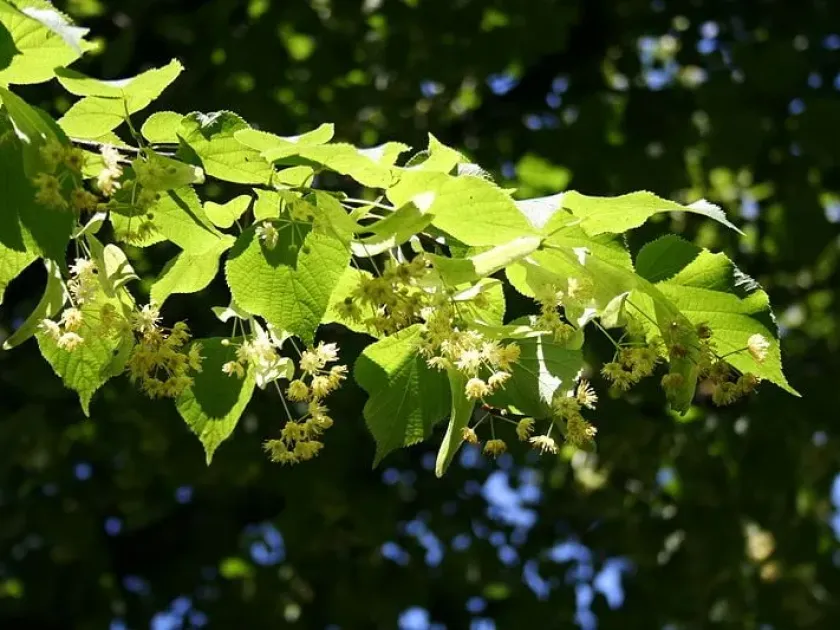
Description
Sowing dates
Propagation of the Chinese linden is most effectively achieved through seeds, as this method produces robust saplings with well-developed root systems. Seeds require a stratification period of 3 to 4 months in cool conditions to break the natural seed dormancy and ensure successful germination.
The optimal time for sowing seeds into open ground is autumn, just before the onset of persistent cold weather. This allows the seeds to undergo natural preparation within the soil, triggering germination in early spring as soon as temperatures reach the required threshold.
During spring sowing, it is critical to maintain high substrate moisture, as linden seeds are highly sensitive to desiccation. Seeds are typically sown at a depth of 1 to 2 centimeters, depending on the soil texture and the level of organic matter present in the seedbed.
In nursery settings, it is common to use cassette or container cultivation, which protects young seedlings from weeds and extreme moisture fluctuations. Transplanting to a permanent location is best performed when saplings reach the age of 2 or 3 years and possess sufficient height.
Preparing a nutrient-rich, organic-based soil mix is an essential step. Using slightly acidic to neutral soil blends with excellent drainage promotes uniform emergence and active growth during the first year of vegetation.
Growing requirements
The Chinese linden is a deciduous tree belonging to the Malvaceae family. Naturally occurring in the mountainous forests of China, the species thrives in moderately humid climates with distinct seasonal changes, showing resilience to moderate temperature fluctuations.
For successful growth, the tree requires deep, fertile soil with adequate aeration. Waterlogging in the root zone is detrimental, so planting sites should strictly avoid boggy lowlands or heavy, compacted clay soils that prevent proper drainage.
Optimal lighting for Tilia chinensis is partial shade during the early stages of life, moving to full sun as the tree matures. Intense light exposure encourages the development of a denser and more spreading crown, significantly enhancing the tree's ornamental value.
In large-scale cultivation, providing protection from strong winds is necessary, especially in open fields. Young trees are prone to bark desiccation, making the mulching of the tree ring an essential agronomic practice to maintain a stable microclimate around the root collar.
Regular irrigation is vital during active sap flow and throughout dry summer months. Standard fertilization includes the application of nitrogen-based fertilizers in spring to boost foliage growth, followed by potassium-phosphorus supplements in autumn to strengthen the tree before winter.
Main diseases and pests
Common pests of the linden tree include foliage-feeding insects, such as linden sawflies and various species of aphids. If left unmanaged, these pests can lead to premature yellowing and leaf drop, significantly weakening the tree's overall vigor.
Fungal diseases, including leaf spots and rust, often occur if crown ventilation is poor or humidity levels are excessively high. Regular sanitary pruning to remove congested branches and diseased plant parts is the most effective preventative measure.
Bacterial infections may affect the bark of the tree, typically entering through mechanical wounds. It is crucial to avoid damaging the trunk during maintenance and to treat all pruning cuts with horticultural sealant or antiseptic agents to prevent pathogen spore entry.
In commercial plantations, systemic insecticides are effective for pest control. In residential or smaller-scale settings, biological pesticides are preferred to ensure the safety of beneficial pollinators that are highly attracted to the linden flowers during blooming.
Monitoring plantation health on a weekly basis during the spring and summer is recommended. Early detection of initial signs of infection or infestation allows for localized control measures, avoiding the need for large-scale chemical applications across the entire planting area.
Harvesting
The primary agricultural utility of the Chinese linden involves the collection of medicinal raw material. Inflorescences are harvested during the period of full bloom, when the majority of flowers are open and contain the highest concentration of essential oils and flavonoids.
Harvesting should be conducted in dry weather, preferably in the morning hours after dew has evaporated. High moisture levels in the harvested material can lead to discoloration and significant quality loss during the drying process.
Drying should be carried out in well-ventilated areas or specialized drying chambers with temperatures not exceeding 40 degrees Celsius. Protecting the material from direct sunlight is crucial to preserve its aromatic properties and medicinal constituents.
The final product must be stored in paper or fabric bags in a dark, cool place with low humidity. When stored properly, the shelf life of dried linden flowers is approximately two years, after which the biological activity of the active components begins to decline.
In addition to flowers, the Chinese linden is prized for its wood, which is utilized in woodworking for carving and the production of high-quality musical instruments. Harvesting timber is generally scheduled for winter when sap movement is minimal, ensuring greater material stability and durability.